At home, “double” means a bed for two. A full is a double. So a semi-double sounds like a small double, a bit snug, fine for a couple who like each other.
In Japan the word works the other way around. It is a step above the single bed, and it is sold first as a bed for one person who wants room to move. The “double” part describes how much wider it is than a single. It does not describe who sleeps in it.
This article covers one word. For how a whole room name (single, twin, double, deluxe) fails to carry a bed width, see the rooms article.
What the word names
Start with how Japanese bedding companies use it. Nihonbashi Nishikawa, a long-established Japanese bedding company, publishes a size table. Its table runs single 97 to 100 cm, semi-double 120 cm, double 140 cm and queen 160 cm, all 195 to 200 cm long. The same article labels the semi-double a bed for one person with room to spare, and the double a bed for one or two. The 120 cm figure is 47 inches.
That is one retailer’s table, so read it as the usual retail picture and not a rule.
As of September 2026, from Nihonbashi Nishikawa (in Japanese): size table article. For the national bed standard, see kikakurui.com (in Japanese): JIS S 1102:2017 page.
A person living in Japan, asked whether a semi-double is for one person or two, said it depends: someone with a Japanese build can probably manage two, and someone with an American build basically can’t. That is one person’s reading, not a measurement, but it points the same way as the retailer’s table: a semi-double is a one-person bed.
One hotel, two photographs
The 120 cm bed is the textbook figure. Hotel pages are looser. Richmond Hotel Tokyo Shiba lists six room types on its rooms page.
Richmond Hotel Tokyo Shiba, Standard Twin Room (in Japanese).
The Standard Twin Room’s text reads 「122cm幅のセミダブルサイズのベッドを採用したスタンダードツインルーム」, a standard twin room with 122 cm wide semi-double size beds. The icons under it say capacity 2, 23 m² (248 ft²), and 122 cm x 2.
Here the semi-double is each bed in a twin room: two people, two beds, 48 inches each.
Richmond Hotel Tokyo Shiba, Single Room (in Japanese).
Now the Single Room on the same page: 「140cm幅のダブルベッドを採用したワンランク上の客室」, a room one rank up with a 140 cm wide double bed. Capacity 1, 16 m² (172 ft²), 140 cm x 1.
The hotel calls the 122 cm bed a semi-double and the 140 cm bed a double. The room sold as a “single” holds the wider bed, 55 inches against 48, a difference of about 7 inches (18 cm). So the room name told you nothing here, and the bed word is the only part that sorts the two. Only two of the six room types use the word “semi-double,” both of them twins at 122 cm.
A semi-double is closer to a full than to a twin, but it is a full with 7 inches shaved off. One adult will be comfortable. Two adults share about 23 inches each, against 38 on a US twin.
One person or two
Don’t expect the room page to settle it with the word. Dormy Inn Ikebukuro’s rooms page has no room called semi-double. Its single rooms have a 120 cm bed, the semi-double width, and a capacity of 1. Its double rooms have a 140 cm bed and a capacity of 2. Here, width and guest count line up.
Super Hotel Anjo’s gallery page does not line up. Its Standard Room is listed as 120 cm x 200 cm or 140 cm x 200 cm, 12 m² (129 ft²), capacity 1 to 2 people. The hotel gives two widths for one room name, so you need to know which bed you are getting. 120 cm is the semi-double width.
The rooms article covers other hotels where a 140 cm bed is called a semi-double (Route Inn) and where a 120 cm single bed is the semi-double room (Sotetsu Fresa Inn). In a twin room, a semi-double is the nicer outcome: one 48-inch bed each, wider than the 38-inch twins you know. In a room with one bed, “capacity 2” next to a 47-inch bed is the maximum the hotel will sell, not a promise that two people will sleep well.
After the booking I describe in the rooms article, where a room that came back from a search for two was too tight, I treat a semi-double as a bed for one and let the page change my mind.
Before you book
Four things to read, all on the hotel’s own page:
The centimeters. 120 cm is 47 inches. 122 is 48. 140 is 55. If the hotel says only “semi-double” with no number, you don’t have the size.
The count. “122 cm x 2” is two beds. “140 cm x 1” is one bed. A twin room with semi-double beds is the comfortable case for two.
The guest count next to the bed. One bed under 55 inches with “capacity 2” means the maximum, not the comfort level.
Both long sides in the photos. If one side is against the wall, the person on that side climbs over the other to get out. In a narrow bed that matters more.
The short version
Semi-double is a Japanese bed size, 47 inches (120 cm), sold as a bed for one. Hotels stretch the word: it appears here at 47 to 48 inches, and the rooms article has one at 55.
The room name tells you little. At one Tokyo hotel, a room called “single” had a wider bed than the semi-double twin.
For two people, look for two beds or a published 55 inches or more.
At home, the word on the booking page answers the question. A double or full is the bed for a couple who are fine with snug, and a queen is the normal bed for two. Carry those words to Japan and the width holds, but the meaning of “double” doesn’t.
A Japanese “double” is usually a 140 cm bed. That is 55 inches, one inch over a US full’s 54 inches. A full is 54 by 75 inches. The Japanese pages below give 195 or 200 cm for the length, which is 77 to 79 inches, so the Japanese bed is a couple of inches longer.
The idea that “double” means “for two” doesn’t hold. Nihonbashi Nishikawa, a Japanese bedding company, publishes a size table. It lists the semi-double at 120 cm wide with 推奨使用人数 “1人(ゆったり)”, the double at 140 cm with “1〜2人”, and the queen at 160 cm with “2人”. In that table, the plain “2” sits on 160 cm, which is 63 inches.
As of September 2026, from Nishikawa (in Japanese): size column.
The US side isn’t settled either. Sleep Foundation says “Couples generally need at least a full size mattress.” Amerisleep says a full is “not big enough for two adults but can accommodate one adult and a child,” and says a queen gives each sleeper 30 by 80 inches. They agree on the size and disagree on whether it is enough for two.
2. Inches per person
Each figure is the bed’s width halved, ignoring the gap between sleepers, blankets and how anyone lies.
Bed
Width
Each of two adults
Japanese semi-double (Nishikawa: 1 person)
47 in (120 cm)
24 in (60 cm)
US full
54 in (137 cm)
27 in (69 cm)
Japanese double
55 in (140 cm)
27.5 in (70 cm)
US queen
60 in (152 cm)
30 in (76 cm)
Japanese queen
63 in (160 cm)
31.5 in (80 cm)
The Japanese double gives each person half an inch more than a US full, and 2.5 inches less than a US queen. The Japanese queen is the first row that gives each of you more than a US queen does. The semi-double, at 24 inches each, is where Nishikawa’s “1人” label starts to make sense. The word isn’t stable from hotel to hotel: the room-names article shows it running from 47 to 55 inches.
Floor area (客室面積), guest count (ご利用人数) and bed size (ベッドサイズ) sit in three separate boxes. The guest count reads “2人” and the bed reads “140cm*195cm”. Nothing in the line says whether 140 cm is comfortable for the two guests. The floor area is a range, 13.9 to 14.5 m², which is 150 to 156 ft².
The same hotel lists the chain’s single rooms too. The Economy Single and the Standard Single are each “120cm*195cm”. So on this page the step from one guest to two is 20 cm, or 8 inches, the same gap Nishikawa’s table puts between a semi-double and a double.
Super Hotel’s Anjo property words it differently. Its Double Room entry reads ベッドサイズ “140cm ×200cm”, 部屋の広さ “12㎡” (129 ft²) and 収容人数 “1~2名”. Where Dormy Inn lists 2, Super Hotel lists 1 to 2.
As of September 2026, from Super Hotel (in Japanese): Anjo gallery page.
4. One bed sold for one, and for two
Richmond Hotel’s Tokyo Shiba property lists a Single Room and a Double Room on one page. The Single is 16 m² (172 ft²) with a “140cm幅のダブルベッド”, capacity 1. The Double is 16 m² with the same “140cm幅のダブルベッド”, capacity 2.
That is one bed in one room size, sold under two names, with one more person in the count. On that page, “single” doesn’t mean a narrow bed and “double” doesn’t mean a wider one.
If you want a wider bed at that property, the Deluxe Double is listed at 25 m² (269 ft²) with a “180cm幅のキングサイズベッド”. That is 71 inches wide, or about 35.5 inches each. It is also 9 m² (97 ft²) more floor than the 140 cm rooms, so the upgrade is a larger room as well as a larger bed.
In the room-names article, 55 inches turned up at eleven of twelve properties under three different names.
5. The wall side
Width is only one of the ways a 140 cm bed can feel tight. In a small room, one long side of the bed may sit against the wall, and then one of you has a wall on one side and a person on the other. At home you can probably get out of either side. When the bed is against the wall and there are two of us, I climb over the other person.
On a 140 cm bed, you’d each have about 27.5 inches, and the wall-side person’s way out runs across the other’s half.
The check is in the room photos. Look at both long sides of the bed and see whether there’s floor on each. The room-names article has a diagram for it.
6. Choosing
I only open the dimension line when two of us are going, and then I read it alongside the room photos, the floor area and the reviews.
The bad booking in the room-names article, a cheap room that came back from a search for two, was a single-size bed.
Here is how I would sort it:
If a full would be fine for the two of you at home, 140 cm is close to the same bed.
If you would have booked a queen, look for 160 cm (63 inches) or wider. Nishikawa lists “2人” there, and at Richmond Tokyo Shiba the wider bed came with a larger room.
If the hotel lists a room called “single,” open its dimension line before you skip it. At Richmond Tokyo Shiba, it was a 140 cm bed.
If the hotel gives a guest count and no width, you don’t have the number. Ask, or pick a room that publishes one.
7. The short version
A Japanese double is 140 cm, which is 55 inches. That is one inch over a US full, and about 27.5 inches for each of two adults, against 27 on a full and 30 on a queen.
Hotels list guest count and bed width separately. Dormy Inn lists its 140 cm room for “2人” and Super Hotel Anjo lists its for “1~2名”. Nishikawa puts “2人” on the 160 cm queen.
The same 140 cm bed can be a single or a double. Richmond Tokyo Shiba lists it as both, at 16 m², with the capacity the only difference.
Two checks cost nothing. Read the width on the room’s own page, and look at the photos for floor on both long sides of the bed.
Cover photo: lic-10-single-bed-large by J o, CC BY-SA 3.0, via Wikimedia Commons. It shows a different property from the ones discussed here.
At home, “twin” is a size. It names one mattress, 38 by 75 inches (97 by 191 cm), the one you slept on in a dorm.
In Japan the word turns into a room type. A twin room (ツイン) is a room with two single beds, and the beds are whatever size that hotel installed. The word survives the trip and the measurement doesn’t.
If you came here worried that a twin room means two narrow cots, it usually doesn’t. The bigger risk runs the other way: you read “twin,” picture 38 inches, and plan a room around the wrong number.
As of September 2026, from the chains’ room pages linked in the table (in Japanese).
Of the six rooms, one has a 35-inch bed, the closest to the US twin’s 38. The other five are 43 to 48 inches (110 to 122 cm) per bed. Two beds in one room give 86 to 96 inches (220 to 244 cm) of sleeping surface, plus the gap between them.
Two things follow. A Japanese twin bed can sit ten inches wider than a US twin, which puts it within six inches of a US full’s 54. And a chain’s “Twin” and “Economy Twin” can differ by 12 inches a bed in one building, as Super Hotel shows. At Dormy Inn Ikebukuro, one grade up added ten centimeters, and the bigger bed came in the smaller room.
These are six rooms, not every hotel in Japan.
3. One page, in Japanese
Here is the Dormy Inn Ikebukuro page for its Standard Twin.
Dormy Inn Ikebukuro, Standard Twin Room (in Japanese).
The label reads スタンダードツインルーム (Standard Twin Room), 客室面積 20.5㎡ (floor area), ご利用人数 2人 (two guests), and ベッドサイズ 110cm*195cm2台 (bed size, two beds). The number that settles it is the last one, 110 x 195 cm, times two, in a room for two. That is 43 inches wide for each bed.
So this twin is two beds that are each five inches wider than a US twin.
4. Double or twin for two
Choose by how you sleep, not by the price.
Double: one bed, both of you in it. On the chain pages, double beds run from about 55 to 71 inches (140 to 180 cm), covered with the other sizes in the decoder article. Check the width. A 55-inch bed is one inch over a US full.
Twin: two beds, each of you in your own. Each bed is likely wider than a US twin, as above, and you get a gap or a shared night stand between them.
If you are a couple who shares a bed at home, a twin is a downgrade in closeness and an upgrade in space. If you snore, travel with a colleague, or sleep badly next to anyone, a twin is the room built for it. Compare the price of both on your dates.
I only open the bed-width line when two of us are going. For one person it doesn’t matter. For two it does, most of all on a double.
There is no general yes or no for Japan on whether the two beds can be pushed together.
What you can do is ask the property, in writing, before you book, and ask in a way that is hard to misread: “Can the two beds in the twin room be joined?” Don’t assume a hotel that sells a “Hollywood twin” does it by default. The one chain page that lists that term gives only a width, 35 inches (90 cm) a bed (see the decoder article).
Even if the beds move, joined beds are two mattresses with a seam, not one 96-inch bed.
6. What to read on the booking page
The number and unit of beds. “Twin” should come with a count of two, and a width for each. Look for something like 122cm×2.
The width in centimeters. If the hotel gives a size name and no centimeters, you do not have the number. Convert: 90 cm is 35 inches, 110 is 43, 120 is 47, 122 is 48.
Capacity and floor area. The Dormy Inn room above is 20.5 m² (221 ft²) for two, and the other Dormy Inn rooms are 202 to 217 ft². Two 120 cm beds in a room under 220 ft² leave little floor.
The third-party site’s wording. An English booking site can translate a room into its own word. Japanese Hotel Rooms Decoded has one listing where the room name said “double” and the line below it said “twin.” Open the hotel’s own page and compare.
The short version
In Japan, twin is a room with two beds. At home it is a mattress size.
Across the six twin rooms in the table, each bed was 35 to 48 inches (90 to 122 cm) wide, against the US twin’s 38.
For two people, a double is one bed and a twin is two. Read the width either way.
Ask the property before you count on joining the beds.
Cover photo: lic-4-twin-beds by Aspiringshortlot, CC BY-SA 4.0, via Wikimedia Commons. It shows a different property from the ones discussed here.
When a hotel says 300 square feet, you picture a bed, a dresser, a chair and some open carpet. Japanese booking pages give square meters instead, and the cheapest single rooms are listed at 12. That is 129 ft², about 10 by 13 feet. The room is built around a bed, a desk and a unit bath (a prefabricated toilet, sink and tub in one pod), and the floor is whatever remains.
What 129 ft² looks like
Start with what you can picture, a small spare bedroom. Hotel-industry figures for the US are loose. The software company Mews says on its blog that “economy rooms run 160 to 230 ft², midscale rooms 230 to 350 ft²”.
Wikipedia’s Tru by Hilton page reports Hilton’s stated design goal of 228 ft² (21.2 m²) per room. American sources define “room size” differently from one another, so treat these as a rough frame. A 129 ft² Japanese room sits below both.
Super Hotel Anjo Station Front lists its Standard room at 12 m² with a bed of “120cm ×200cm, or 140cm ×200cm”. Dormy Inn Ikebukuro lists an Economy Single at 12.0 m² with a 120 x 195 cm bed. Dormy Inn Hiroshima lists an Economy Single at 12.25 m² (132 ft²), same bed.
If the unit bath is counted in the size, the floor outside it is smaller than 12 m² suggests. The pages do not say, so ask the hotel.
Reading the floor
Super Hotel’s 12 m² Standard room. Quoted from the official page (link), September 30, 2026. Copyright belongs to the owner.
Look at the carpet. The bed runs along the window wall and the desk unit takes the near side, so the floor that is left is a narrow strip between them. The walk from the door and anywhere you would set a bag all share that strip. Whatever the listed size, the floor in a room like this is a lane, not a patch.
Where it eases
The share of the room that is bed follows from the printed bed sizes.
Room
Size
Beds
Bed area
Share of room
Super Hotel Anjo Double
12 m² / 129 ft²
140 x 200 cm
2.8 m²
23%
Dormy Ikebukuro Economy Single
12.0 m² / 129 ft²
120 x 195 cm
2.34 m²
20%
Dormy Hiroshima Economy Single
12.25 m² / 132 ft²
120 x 195 cm
2.34 m²
19%
Dormy Hiroshima Compact Single
14.25 m² / 153 ft²
120 x 195 cm
2.34 m²
16%
Dormy Hiroshima Twin
18.8 m² / 202 ft²
two 110 x 195 cm
4.29 m²
23%
Dormy Ikebukuro Standard Twin
20.5 m² / 221 ft²
two 110 x 195 cm
4.29 m²
21%
Super Hotel Anjo Economy Twin
12 m² / 129 ft²
two 90 x 200 cm
3.6 m²
30%
Super Hotel Anjo Twin
15 m² / 161 ft²
two 120 x 200 cm
4.8 m²
32%
As of September 2026, from the hotels’ pages above. Share of room is bed area divided by listed size.
At Dormy Inn Hiroshima, the step from the 12.25 m² single to the 14.25 m² single adds 2 m² (22 ft²) of everything that isn’t bed. Spread along a 10-foot wall, that is a strip about 2 feet wide.
Twins behave differently. Dormy Ikebukuro’s Standard Twin has 20.5 m² and 4.29 m² of beds, which leaves 8.1 m² of non-bed area per person. The same chain’s 12.0 m² Economy Single leaves 9.7 m² for one guest. So a twin at 20 m² is about as bed-heavy per person as a single at 12 m².
My rough benchmark for opening a large suitcase comfortably is about 25 m² (269 ft²), and 12 m² is under half of that. How much luggage fits in a Japanese hotel room covers the floor space a bag needs. My rough guess from one business hotel is that a room around 20 m² (215 ft²) is six or seven steps from door to bed. These are impressions, not measurements.
Before you book
Read the bed row before the room name, because the bed is the number most hotels list. Then subtract the bed area from the listed size and treat the remainder as an upper limit, since the bath may sit inside it. And look for a photo taken from the door to see how long the lane is.
The short version
In the table above the bed takes between 16 and 32 percent of the room. The extra 2 m² of a 14 m² single is worth roughly a 2-foot strip of floor. For a twin, read 20 m² as a room about as tight per person as a 12 m² single.
If you book hotels in the US, you may carry one rule in your head: cancel a day or two ahead and it costs nothing. Hyatt, for one, has required cancellation at least 48 hours ahead to avoid a fee since January 1, 2018. That is one US chain’s rule, not a US default, but it shows the shape you are used to: one deadline, then a fee.
The Japanese pages below are built differently. They use a ladder of percentages that climbs as check-in approaches, and the numbers can change from one plan to the next within the same hotel. The “free cancellation” label on a booking site is a separate thing again. It is one line on one plan’s page, and it is easy to misread.
Where the ladder comes from
Japan’s Tourism Agency publishes model lodging terms, last revised December 13, 2023. Hotels and inns can adopt them. Article 6 says the guest may cancel, and that the lodging will collect a penalty “as set out in Appendix 2” when the guest cancels for reasons attributable to the guest (translated from the Japanese).
In Appendix 2, the percentages are blank. The document gives each lodging a template and leaves the numbers for the lodging to fill in.
The template does show the shape:
The hotel version has five steps: no-show, the day of, the day before, 9 days before, and 20 days before. Rows separate individual bookings of up to 14 people, groups of 15 to 99, and groups of 100 or more.
The ryokan (traditional inn) version has thirteen steps, from the day of up to 30 days before, with four size bands.
A note says the percentages apply to the base lodging charge. Another says that if a multi-night stay is shortened, the penalty is for one night (the first day), however many nights are cut.
Article 6 also lets the lodging treat a guest as cancelled if they haven’t arrived by a set hour on the day and haven’t called. The hour is another blank.
As of September 2026, from the Tourism Agency (in Japanese): model lodging terms.
Two real schedules
A chain’s general table. The Dormy Inn and Nono policy lists fees by party size:
1 to 5 guests: 100% for a no-show, 100% on the day, and 50% the day before.
6 to 9 guests: the same, plus 30% at 3 days before.
10 or more: 100% for the day, the day before and 3 days before, then 50% at 7 days and 20% at 30 days.
A note says the percentages apply to the base lodging charge and that they may differ by plan, so the plan details should be checked.
A business chain’s English page. Toyoko Inn’s English cancellation page is the plain version:
Toyoko Inn, English page on cancellations.
Screenshot.
For individual guests, Rakuten states one rule: after 12:00 on the day of check-in, the fee is 100% of the booking cost. For a consecutive stay, the guest must tell the hotel before 10:00 on the day of a later night they want to drop, or pay 100% for that night. The percentage ladder (10%, 30%, 50%, 100%) is printed for group bookings.
Rakuten also says fees “other than the above may be set depending on accommodation plan,” and in that case “those cancellation fees will be given priority.”
Dormy’s PDF says plans may differ. Toyoko says plan fees take priority. The model terms themselves (Article 1, paragraph 2) say a special agreement the lodging makes takes precedence over the standard terms.
So there is no single “cancellation policy of Dormy Inn” to learn and apply to your booking. The general table tells you what a typical page looks like. Your plan’s own box is the one that applies.
APA Hotels shows the same split. Its FAQ says cancellation is free until the day before, then adds that some plans have different rules and that the rules on the booking screen apply (「一部プランではキャンセル規定が異なる場合がございます」). Bookings made through a travel agency or bundled with a flight can carry fees even when the hotel’s own rule says free.
“1 day(s) before your stay (from 00:00) (JST)”: 20%.
“0 day(s) before your stay (from 00:00) (JST)”: 80%.
No-show: 100%.
Under the timeline are two notes. One says “The penalty charges are based on the original rate of this room. However, if any discounts are applied, the incurred penalties will not exceed the total discounted amount of the reservation.” The other says “The exchange rate is fixed when booking.”
What that means for this plan:
The deadline is a clock time in Japan. It is printed in JST, and 11:59 p.m. on October 13 is 10:59 a.m. the same day in New York (EDT), so convert it before you set a reminder. Booking.com’s guide to cancelling says the deadline “is usually calculated in the hotel’s local time zone, not your own.”
The 80% step starts at 00:00 JST on the check-in day. On this plan, cancelling at 9 a.m. on October 14 would fall in that step, after a free period that ended the night before.
The fee has a base that isn’t always what you paid. Here the penalty is figured on the original rate, capped at the discounted total. If a promotion cut your price, that sentence is the one to read.
The 20% line sits under a free deadline. The 20% line is labeled “1 day before,” yet the free deadline runs to the end of October 13. The site doesn’t say which applies, so ask Rakuten or the hotel.
The refund currency is not explained. The dollar price was converted at booking and Rakuten says that rate is fixed, but it doesn’t say how a yen fee is refunded in dollars. Ask the site’s help desk before relying on a partial refund.
Close to a free-cancellation deadline, a cheaper plan has turned up, or I have gone with another hotel instead. When I read a free-cancellation line on a Japanese booking page, I check both the date and the time.
Official site or booking site
None of the three sites says which channel’s terms prevail when they differ. What they do say:
Rakuten Travel’s FAQ says “Each hotel decides the cancellation fee for which you are responsible,” and “When it is near the staying date, the reservation can not be cancelled in ‘Rakuten Travel.’ In case of this, you have to contact the hotel directly.” It also says that if you do not contact the hotel to cancel, you are “subject to a fee of 100% of one night room rate.”
Toyoko Inn’s page points to the plan details page and the reservation page for the fee that applies.
Booking.com’s guide says the policy depends on “the hotel’s individual rules, your booking type” and timing.
Read together, the three suggest the booking site displays your terms while the hotel sets the numbers, so keep your confirmation email and a screenshot of the plan’s cancellation box from the day you book.
The Rakuten FAQ also implies something practical. Near the stay date the online cancel button may be gone, and a late cancellation then goes to the property by phone or email.
A typhoon is not automatically a free cancellation
The fee ladder above runs on dates. A typhoon is an event, and the pages split on who decides whether it counts.
The Tourism Agency’s model terms draw the line in two places. In Article 6, paragraph 2, the guest owes cancellation charges when canceling “due to causes for which the Guest is liable.” In Article 7, paragraph 1(7), the hotel may cancel when it “is unable to provide accommodation due to natural calamities and/or other causes of force majeure,” and paragraph 2 says it then “shall not charge the Guest for any of the services during the contractual period he/she has not received.” A hotel that cannot host you and a guest who cannot reach it are different cases, and the template doesn’t say which one a stopped train is.
Booking sites mostly pass the decision to the property. On Rakuten Travel, when bad weather or a disaster makes a stay difficult, the response is in principle the facility’s own cancellation policy, you should contact the facility early, and after check-in time the facility may treat the booking as canceled. A second Rakuten page says to cancel on the site yourself even for a typhoon.
Booking.com and Agoda put the rule in their contracts with properties. Booking.com’s General Delivery Terms define a force majeure event as one “affecting multiple Guests and multiple accommodations” and list natural disaster, “curtailment of transportation facilities” and anything “preventing or making it impossible or illegal or highly unsafe for Guests to travel to or stay at the Accommodation.” Clause 2.10.1 says the property will not charge and must refund affected guests, nonrefundable rates included. Agoda’s Partner Hub says Agoda will check the reported impact and waive affected bookings once the situation is confirmed, and that the property is expected to waive too.
The two hotel notices, both from UDS Hotels properties in Okinawa, name a canceled final flight or suspended public transport. UDS Hotels’ Strata Naha notice waives the fee for guests whose final flight to or from the island is canceled or who are “physically unable to reach our hotel due to the suspension of public transportation.” Its Hotel Locus notice adds that without word from you the hotel assumes you are staying and charges in full.
Neither notice mentions a weather warning level, so a warning on the weather map is a reason to call the property, not a promise of a waiver. Tell the property, or the site you booked through, early.
A points booking looks like it should cancel cleanly, since no money moved. What comes back, and when, depends on the program.
IHG says a Reward Night canceled within the hotel’s policy gets its points redeposited. One canceled after the time the policy allows still gets them back, but the hotel charges the credit card used for the booking its cancellation fee. For a Points & Cash booking, the cash portion is nonrefundable either way. The deadline is the hotel’s own cancellation policy, the one shown when you book.
On Rakuten Travel, if you prepaid by card, the Rakuten points you used return anywhere from immediately to the next business day after you cancel. Limited-time points already expired when you cancel lapse on return. Points used go to the cancellation fee first, with any difference returned. The English terms of use, Article 16, paragraph 4, say that when a user cancels, the points “shall be applied to payment of the change fee or cancellation fee” unless Rakuten stipulates otherwise.
If the stay goes on an expense report, how you paid decides who can give you the paper. When a plan offers both and prepaying saves around $10 or more, I usually prepay. That also decides who issues the receipt.
On Rakuten Travel, the receipt for an online-card booking is issued by Rakuten Travel from the reservation-confirmation page, and its counter doesn’t issue or mail them. For pay-at-property, the property issues it at settlement and the Rakuten site can’t. The name line takes up to 50 characters, with 様 or 御中 as the honorific, and can be corrected once. If the property is a registered qualified invoice issuer, the receipt follows the invoice rules.
Two chains split the same way. At Dormy Inn, an on-site payment gets a receipt from the desk or payment machine. A prepaid-card booking gets it from the JTB Book&Pay portal through the link in the confirmation email. The receipt meets qualified-invoice requirements, and you can check the hotel’s registration status on the National Tax Agency’s site. At Super Hotel, the hotel desk can’t issue a receipt for a prepaid-card payment, which comes from the JTB Book&Pay site.
Agoda puts the tax invoice on the hotel. A tax invoice can only be issued by the service provider, and Agoda can’t issue one for the room. Agoda can provide an e-receipt showing a payment was collected. A guest can ask the property directly or through Agoda, which relays the request.
Rakuten’s English site lets you enter someone else’s name as the guest, but a guest name can’t be changed except by canceling online and rebooking, so a wrong name can put you on the ladder above.
As of October 2026, from Rakuten Travel: receipt help page (in Japanese) and English FAQ. From Dormy Inn: FAQ (in Japanese). From Super Hotel: FAQ (in Japanese). From Agoda: Partner Hub.
Before you book
Open the plan’s own cancellation box, not the hotel’s general page.
Write down the deadline in your own time zone.
Check whether the percentages apply to the original rate or the discounted one.
For stays of more than one night, check for a separate cut-off on later nights (Toyoko Inn’s is 10:00 on the day).
For groups of six or more, expect a different table. Dormy Inn’s schedule changes at that size.
Set a reminder for the day before the deadline.
If a typhoon could touch your dates, look for a disaster line in the plan’s box and decide who you would tell first.
For a points booking, find the deadline in the property’s policy and check how fast the program returns points.
If you need a receipt in a company name, check which route issues it before choosing prepaid or pay-at-property.
The short version
Fees are a ladder of percentages that climbs toward check-in. The Tourism Agency’s model terms leave the percentages blank, so each lodging writes its own, and plan terms can override the hotel’s general table.
Read the deadline in the plan’s own box. On the Rakuten plan shown, “free cancellation until Oct 13” ended at 11:59 p.m. JST, and an 80% step began at 00:00 JST on the check-in day.
A typhoon doesn’t waive the fee by itself. What counts is the trigger the property or site has written down.
On an IHG points booking, the points come back even after a late cancellation, but the hotel charges the card its cancellation fee. Who issues a receipt depends on how you paid: Rakuten or the JTB Book&Pay portal for prepaid cards, and the property for pay-at-property.
In an American hotel, a big suitcase is a non-event. You drop it on the floor between the bed and the window, unzip it flat, and live out of it for a week. The airline decides how big the bag can be, and the room quietly assumes you brought one.
Japanese business hotels assume something else. The room is built around a bed, a desk, and a unit bath (a prefabricated toilet, sink and tub in one pod), and the floor is whatever is left. A bag that is legal at the airline counter may have no place to lie open once you are inside.
Where does a 29-inch checked bag go in a Japanese room, how do you open it, and what can you read on a booking page before you pay?
Floor space a bag needs
Delta says checked baggage “must not exceed 62 inches (157 cm)” when you total length, width and height. It puts the weight limit at 50 lbs (23 kg) for Main, Comfort and Premium Select.
The rest is arithmetic, not a product spec. A 29-inch body that is 20 inches wide and 12 deep totals 61 inches. Open it like a book and the two halves lie side by side, about 29 by 40 inches (74 by 102 cm). That is roughly 8 ft² (0.75 m²), plus somewhere to kneel. Two bags double it.
My rough benchmark for opening a large bag comfortably is about 25 m² (269 ft²), and about 30 m² (323 ft²) for two.
At least one hotel says otherwise. Richmond Hotel Kagoshima Tenmonkan says of its 23.02 m² (248 ft²) Deluxe Double: “大きなスーツケースも余裕を持って広げられる居住性の高さ”, roughly “living quality that lets you open even a large suitcase with room to spare”. Of its 19.54 m² (210 ft²) Double, with a 160 cm bed, it says “大きな荷物を広げるスペースも確保されており”, roughly “space is also secured to open large luggage”. Those are a hotel’s marketing lines, and both rooms sit below my benchmark. Layout likely matters as much as size.
As of September 2026, from the hotels’ own room pages linked in the table.
The ranges below leave out deluxe rooms such as Richmond Shiba’s 25 m² king, and the Richmond Shiba Superior Twin at 32 m² (344 ft²) is the largest ordinary one. Sizes vary by property inside a chain, so read each row as one hotel’s number.
A bed is a big share of a small room. A 140 x 200 cm bed covers 2.8 m², which is 23 percent of a 12 m² room. Two 90 x 200 cm beds in the Super Hotel Economy Twin cover 3.6 m², or 30 percent. Twin rooms lose floor faster than their square meters suggest.
None of the hotels say whether the size includes the unit bath. If it does, the usable floor is smaller than it looks.
Reading the photos
The bed is what a listing photo shows off. Look at the floor.
A small room from the door, with the bag standing near the entrance.
The bag stands upright just inside the door, and the bare floor around it is a narrow strip. A chair and a desk edge crowd the left. The only place in the frame to lay a bag flat is that strip, and a bag open there would sit across the path to the door. Most of the visible floor is the entrance.
A small room from the door, with a tote on the chair.
Here the bed is on the right and the desk runs across the far wall. A tote sits on a small chair by the door, and I don’t see a luggage rack. Between the chair and the bed is a carpet lane. Whatever else the room offers, a case has that lane or the chair.
Super Hotel’s 15 m² Twin. Quoted from the official page (link), September 30, 2026. Copyright belongs to the owner.
Super Hotel’s own picture of the 15 m² twin has two beds side by side along the far wall and a desk on the right. The bare carpet is the lane between the near bed and the desk. Two people with two bags would be opening one on a bed or in the entrance.
Dormy Inn’s Standard Double. Quoted from the official page (link), September 30, 2026. Copyright belongs to the owner.
In Dormy Inn’s picture the bed fills the width between the TV unit and the closet. The floor left is the strip at its foot, which is also how you get in and out. I wouldn’t count on more than one open bag fitting in a room laid out like this.
The first two photos are mine (sizes unknown). The last two are the chains’ own photos, with the sizes the chains list.
A floor plan shows what a photo can’t. This one is the Express Single at Sotetsu Fresa Inn Tokyo-Kyobashi, which it gives as 12.7 m² (137 ft²) with a 120 cm (47 in) bed. The labels are in Japanese: 窓 is the window, ベッド the bed, シャワールーム the shower room, バスルーム the bath room, テレビ the TV and 机 the desk.
The Express Single floor plan on Sotetsu Fresa Inn Tokyo-Kyobashi’s rooms page (in Japanese). Screenshot.
The bed sits against the window wall and the shower room and bath room take the left side. What is left is the white floor between the foot of the bed, the desk and the entrance door, and the bath room door swings into it. The plan carries no measurements, so it can’t tell you whether a bag opens there. It does show where the floor is.
I open my bag on the floor. When there are two of us, one bag goes on the rack and one on the floor. In a small room I often open it in the entrance corridor.
Racks in these rooms tend to be small, and a small rack is why a second big bag ends up on the floor.
Single, double, twin
Single rooms, 12 to 17.81 m² (129 to 192 ft²). One bag, opened at the entrance or on the floor beside the bed. A second full-size bag stays closed, and a closed 29-inch bag stands on about 20 by 12 inches (51 by 30 cm) of floor. That is far less than an open bag needs, and most rooms have a corner for it.
Standard double rooms, 12 to 19.54 m² (129 to 210 ft²). The beds on these pages are 140 to 160 cm (55 to 63 in) wide, so a bigger bed can mean a smaller floor. The Super Hotel Double is 12 m² with a 140 cm bed, and the Tokyu Stay Residential Double is 18 m² with a 160 cm bed. Compare the m² and the bed width together.
Twin rooms, 12 to 27.32 m² (129 to 294 ft²). Two beds take the floor, and each bed is also a surface to open a bag on. In a twin, two people can each open a bag on their own bed, though the floor may still be short.
Upper rooms. The Imperial Hotel’s Tower Standard is 30 m² (323 ft²), with a twin or king bed. That is the size where two bags start to be a floor problem you can solve, and it is priced like a different kind of hotel.
Living out of a closed second bag is the compromise for most rooms. You take out what you need, set it on the desk, and close the lid.
With kids, a stroller or four bags
Two adults and two kids can easily mean three or four bags, say 29-inch ones, plus a stroller. Most rooms in the table above are listed for one or two guests, so the first check is the capacity line, not the floor.
Super Hotel Anjo: the Standard, Economy Twin, Super and Double rooms (all 12 m², 129 ft²) say 1 to 2 guests, and the 15 m² (161 ft²) Twin says 1 to 3.
Tokyu Stay Suidobashi: the 23 m² (248 ft²) Superior Twin is the only room on its page listed for three.
Richmond Shiba: the 32 m² (344 ft²) Superior Twin is listed for two.
A third guest uses an extra bed, for a fee, arranged by phone before arrival. For four people, look at a family room or book two rooms.
Adults 4 / Children 2 (6 people with children), two futons
MIMARU’s FAQ says up to two children aged 6 or under at check-in “will not be counted towards adult capacity and can share a bed with an adult.” Ask how your own hotel counts children before you pick a room.
Now the bags. A closed 29-inch bag stands on about 20 by 12 inches (51 by 30 cm), so four take about 6.7 ft² (0.6 m²), against 8 ft² (0.75 m²) for one open bag (see floor space). In a 37 to 40 m² family room that is easy. In a small twin, the question is where closed bags sit once the beds, the bath door and the desk have their share, and the listed m² may include the unit bath. If the bags still won’t fit, you can ship some ahead from the airport. If you land before check-in, Arriving Before Check-In in Japan covers where the bags can wait.
Babies change the math. Cribs:
Dormy Inn: no baby cribs, though some hotels have bed guards.
Tokyu Stay: baby beds at some hotels, so contact the hotel.
MIMARU: “we only provide free baby crib services for infants ages 2 below,” in limited numbers, so contact the hotel in advance.
The Tokyo Station Hotel (a city hotel): a crib for 0 to 12 months in rooms of 34 m² (366 ft²) or more.
Miyakojima Tokyu Hotel & Resorts (a resort): a crib of about 120 x 70 cm (47 x 28 in) for infants up to 24 months.
That last crib covers about 9 ft² (0.84 m²), slightly more than an open 29-inch bag.
Strollers are easier to rent than to store. The Tokyo Station Hotel lists a baby stroller among its baby equipment and recommends reserving ahead. Miyakojima Tokyu lists strollers as free rental items that must be reserved. MIMARU says nine of its hotels rent strollers through a service called Babycal. The notice gives no price, so the Babycal rates below may not apply there.
Babycal requires member sign-up and a reservation, and prices “may differ by location and item”. The first hour costs ¥250 to ¥500 (about $1.70 to $3.30), then ¥150 per 30 minutes (about $1), capped at ¥2,000 per 12 hours (about $13), for up to 7 days. Late returns cost ¥500 per 15 minutes (about $3.30), and the cap does not apply to them. Dollar figures use a round ¥150, so check the day’s rate. You return the stroller to the place you rented it. Most models stop at 48 months and 18 kg (40 lb), some at 36 months and 15 kg (33 lb), and the THE S ISOFIX model at 19 kg (42 lb). Match the model to your child’s age and weight.
When you reserve, ask whether the stroller stays at the front desk or comes up to the room.
Before you book
Four things on the booking page decide it.
The floor in the photos. Find the shot from the door and look at the floor, not the bed.
The bed count and width, not the room name. “Double” runs 140 to 160 cm (55 to 63 in) across these chains, and “twin” means two beds taking more floor than one wide one.
The size in m², converted. Set it against 8 ft² (0.75 m²) per open bag, plus the bed and the desk. Where the hotel doesn’t say what the number includes, take the lower estimate.
The desk. A laptop-size desk gives you a surface once the bag is closed.
The short version
A 29-inch bag opened flat needs about 8 ft² (0.75 m²) of clear floor, and most small Japanese rooms have that only at the entrance or along one side of the bed. Read the floor in the photo, count the beds, and convert the m². Plan on one open bag and one closed bag in a single. With kids, check the capacity line first, and ask about cribs and strollers before you book.
Cover photo: lic-1-ryokan-room-backpack by ㇹヮィㇳ, CC BY 2.0, via Wikimedia Commons. It shows a different property from the ones discussed here.
1. You have two tabs open and the numbers don’t match
Same hotel, same night, and as far as you can tell the same room. One tab says ¥24,513, about $163. The other says ¥31,500, about $210. That is 28.5% more, and the obvious next move is to work out which screen is lying to you.
Neither was. Add back the tax that one screen leaves out, and the four numbers collected for that room fall into two tiers: the hotel’s standard rate and a discounted rate, and the hotel’s own site was selling both. The tiers are ¥4,725 apart, about $32. The missing tax is ¥2,451, about $16.
Each storefront decides what goes inside the number it prints, and the six covered here do not agree. The prices are for one night in November 2026 at two Tokyo hotels: the Sotetsu Fresa Inn Tokyo-Kyobashi and the Dormy Inn Korakuen. Yen convert at ¥150 to the dollar, so check the day’s rate. I spent more than twenty years in Japan and I book from the US now.
Each price is a single reading of a screen that can change.
This article does not say which site is cheapest, because the same plan was not lined up across the six.
2. One room, four numbers
The room is the EXPRESS Single at the Sotetsu Fresa Inn Tokyo-Kyobashi, a business hotel, which in Japan means a small, cheap, station-adjacent room rather than anything upmarket. The pillar article covers what you get. The hotel lists about 137 ft² (12.7 m²), one 47-inch (120 cm) bed, a shower booth, no tub, non-smoking. The night is November 18, 2026, one adult, one room.
Sotetsu Fresa Inn Tokyo-Kyobashi EXPRESS Single. Quoted from the official page (link). Copyright belongs to the owner.
Where the room was priced
The number on the screen
What that number contains
Hotel’s own site, member rate
¥26,775 (about $179)
consumption tax and service charge included
Hotel’s own site, standard rate
¥31,500 (about $210)
same
Jalan, cheapest plan
¥31,500 (about $210)
column headed per adult, tax included
Booking.com
¥24,513 (about $163), struck through from ¥34,045 (about $227)
breakdown box reads: excluded, 10% consumption tax, plus a 10% Genius discount line
Jalan’s cheapest plan and the hotel’s standard rate match to the yen.
Booking.com prints its own tax answer in a breakdown line under the price. Add that 10% back to ¥24,513 and you get ¥26,964 (about $180), only ¥189 from the hotel’s member rate of ¥26,775 (about $179). That is 0.7%. The same box lists a 10% Genius discount applied before tax, on a signed-out screen. So ¥24,513 is a discounted tier reachable without an account, and it lands beside the hotel’s own member rate.
Two of the four numbers were the standard rate and two were a discounted tier. The tax was inside three of them and outside one. Both differences are doing work. The site labels the whole markdown as 28% off in a year-end sale, with no split showing how much is the Genius line.
Booking.com’s figure also moves. On September 27, 2026 the same signed-out screen read ¥27,236, about $182, struck through from the same ¥34,045 and now labeled 20% off. That is 11.1% above the figure a week earlier, so reopen both tabs if a day has passed.
The Japanese Booking.com listing calls it an “economy semi-double room, with shower room, non-smoking.” That fits the EXPRESS Single’s shower booth, and the hotel’s other single rooms have tubs. The bed itself came back under five wordings, from single to semi-double, and Japanese Hotel Rooms Decoded takes that apart.
3. What each of the six storefronts is counting
The six are the two hotels’ own sites, Jalan, Rakuten Travel, Booking.com and Ikyu. Five said what their figure counts on the first screen where a price appeared. Booking.com did not. Searched for one adult, it printed no party size next to the price, and the rate table had no column for one. The “Number of guests” column appeared only at two.
One adult.Two adults: the price moves from ¥27,236 to ¥29,143.
Storefront
What it says the figure is
Dormy Inn, own site
Per adult where you pick the room, consumption tax included, lodging tax and bathing tax charged separately depending on the hotel. One click on, at plan selection, the notice called the price the total
Sotetsu Fresa Inn, own site
The total for the party size, labeled “total, adult x 1, one night’s charge,” consumption tax and service charge included
Jalan
Two columns: one headed per adult, tax included, one headed total, tax included
Rakuten Travel
Two figures: a total headed “adults x 2, one night’s charge, tax included,” and at two adults a per-person line under it
Booking.com
Per night, with no party size printed at one adult. Breakdown box: 10% service charge included, 10% consumption tax excluded
Ikyu
The total for the party size, tax included, written into the price string (“no meals, 2 people, tax included”). The search box defaults to two adults
The split had nothing to do with where a site is from: Japanese sites did not all quote per person, and foreign sites did not all quote per room. Three printed the total for the party size: Booking.com, Sotetsu and Ikyu. Booking.com goes in that group on its prices rather than its wording, since ¥27,236 for one adult and ¥29,143 for two is neither twice the first figure nor half the second. One printed a single adult’s share, the Dormy Inn site. Two printed both figures at once, Jalan and Rakuten.
The hotels’ own sites were no plainer. Sotetsu labels its figure a total, while the Dormy Inn site says per adult where you pick the room and total a click later. Ikyu decides before you do. Its row for the Sotetsu room read “no meals, 2 people, tax included, from ¥12,084” (about $81), with the search box already on two adults and no dates set. That is a two-person price until you change the box.
At one adult, the per-adult figure and the total are the same number. A second person pulls them apart, and the second adult cost well under double. With the room held still, the second adult added ¥450 (about $3, or 1.9%) on the Dormy Inn site’s room-only plan at the Korakuen. On Booking.com the second adult added ¥1,907 (about $13, or 7.0%). On Ikyu it added 10.0% to 15.4% across five Sotetsu room types. Why Japanese Hotels Price Per Person explains the per-person unit.
Jalan’s English fee page defines both columns as fees “per room per night” and adds: “Both 1) and 2) are the charges displayed just to give you rough ideas for comparison.”
The Sotetsu booking engine can open in US dollars, and reopening the same address after switching to yen returned dollars again, so check the currency before comparing. Booking.com sometimes answered a request for English with a Japanese page, so check the language too.
4. One site, several prices for the same room
The comparison can come apart inside a single site, before you open a second tab. The EXPRESS Single, that night, one adult, came back on Jalan as six rows: ¥31,500, ¥32,985, ¥33,250, ¥34,817, ¥35,000 and ¥36,650, roughly $210 to $244. Cheapest to dearest is ¥5,150, about $34, or 16.3%, for the same bed, room and night.
The second hotel did the same on a different site. On Rakuten Travel, the Corner Twin at the Dormy Inn Korakuen, 347 ft² (32.2 m²), came back that night at ¥27,120, ¥29,380, ¥31,640 and ¥33,900, about $181 to $226. Low to high is 25.0%.
What moves is the plan, which is the actual product on sale. On these two pages the rows differed on whether breakfast is included, whether you can cancel, whether you prepay or settle at the property, and whether points are involved. Some of that is printed on the row and some sits two clicks down. The top row on one site and the top row on another are two products picked by two different sorting rules.
5. The lodging tax sits outside the price
Both hotels’ own sites said consumption tax is inside their prices and the lodging tax is not.
From March 1, 2026, the Sotetsu chain’s lodging tax at its properties in Tokyo, Osaka prefecture and Kyoto City moved from inside the displayed price to on top of it. The cutoff runs on the booking date, not the stay date, so a booking made now falls on the later side. The chain’s notice closes the loophole in a line of its own: “Please note that for reservations already paid in advance, the lodging tax will also be collected separately at the property.”
As of September 2026, from Sotetsu Hotels (in Japanese): lodging tax notice.
Sotetsu Hotels notice, English version.
The tax depends on the city and on the room charge before consumption tax. For the room in section 2 that is ¥28,636 (about $191) of the ¥31,500. At that charge Tokyo’s table sets ¥200 per person per night (about $1.30), and Kyoto City’s sets ¥1,000 (about $6.70) for charges from ¥20,000 up to but not including ¥50,000. That is five times the tax on the same room charge. Tokyo, Osaka prefecture and Kyoto City are three separate local governments, so one city’s figure is no guide to another’s.
A price marked tax included can still have a line after it. I’ve paid for an inn stay online and still had the bathing tax to pay at the property on the day.
6. A phishing warning about Booking.com reservations
The Dormy Inn Korakuen’s own website carries a notice dated May 22, 2026 and marked important. The body reads: “We have confirmed instances in which suspicious messages are being sent to some customers who reserved this hotel through the online booking site Booking.com, using messaging apps such as WhatsApp, posing as confirmation of the reservation and asking them to enter credit card details. These messages contain URL links leading to malicious phishing sites.”
The notice does not say Booking.com sent the messages. It says guests who booked through that channel are the ones being targeted, and it is one hotel’s notice.
As of September 2026, from Dormy Inn Korakuen (in Japanese): phishing notice.
A booking made through a third party creates a second channel of communication about that stay, and a fake message there is harder to tell from a real one. Treat a request for card details that arrives in a messaging app after you have paid as fake. Confirm with the hotel only on a number or address you found yourself. If you have already typed card details into one, call your card issuer first, not the hotel.
7. What to check before you book, in order
Two tabs, and you want to close one. This is the order I’d go in, and the first four are the steps that moved the number.
1. Enter the real number of people first. Everything below assumes both screens show rooms for the party actually coming. With three of you, or a child, the box itself changes what comes back, and that has its own article.
2. Find out what the number counts before you read it. Look for wording attached to the price that says whose night it covers: a column heading, a label above the figure, a party size inside the price string, or a per-person line under a total. The table in section 3 shows what each of the six said.
3. Find out whether the tax is in. On Booking.com, read the breakdown box under the price. On a hotel’s own site, read the small print beside it. Then assume the lodging tax is outside the printed price, since both hotel sites said so and one chain moved it outside during 2026.
4. Find out which tier you’re being shown. The lowest number carried a 10% discount applied without an account, and three of the six storefronts had taken something off the figure on a signed-out screen. Booking.com’s breakdown box said a 10% Genius discount had been applied. Rakuten printed “Rakuten member discount (applied)” beside the total at two adults. Ikyu’s row said “with 2% of points used.”
If you collect points, Ikyu’s is the one to read twice. The switch is on the page. Moving it took the same room, night and plan from ¥30,870 (about $206) to ¥31,500 (about $210), which is the hotel’s standard rate to the yen. The default is the cheaper one. Ikyu says what that costs: “If the points you are due to earn are used immediately, no points are awarded after the stay.” It adds that for guest bookings, only immediate use is possible.
As of September 2026, from Ikyu (in Japanese): points page.
5. Compare plans, not rooms. One room on one night sold at six prices on one site and four on another, and section 4 lists what those rows differed on. Read the cancellation deadline as a date. Japan’s National Consumer Affairs Center has published a notice saying cancellation conditions differ from plan to plan on booking sites. One case it describes is a hot-spring inn booking canceled two hours after it was made and charged at 100%.
As of September 2026, from the National Consumer Affairs Center (in Japanese): notice.
6. Match rooms by bed width and floor area, not by name. The room in section 2 is called EXPRESS Single by the hotel and Economy Double Room with Small Double Bed on a booking site. Same room.
7. If a site says sold out, reload it, then open the property’s own page on the same site. Booking.com sometimes showed “no availability” on a results card for the Dormy Inn Korakuen while the property page showed rooms for the same dates, and reloading the identical search removed the line. A price you wrote down yesterday gets the same reload.
The short version: one room read 28.5% apart because one number was a discounted tier without tax and the other was the standard rate with it. The checks above will stop you setting a per-adult figure against a room total, or a discounted pre-tax figure against a tax-inclusive standard one.
Cover photo: lic-2-business-desk-bed by J o, CC BY-SA 4.0, via Wikimedia Commons. It shows a different property from the ones discussed here.
On a thread on TripAdvisor’s Japan forum, a traveler wrote in ahead of a trip. “We’re trying to print out our train schedules in advance, so we can make our reservations when we arrive at Narita.” Then the question itself: “what time should we expect to eat breakfast at our ryokan?”
It is really a question about whether the inn’s morning and the train’s morning fit inside the same day. Once the inn is booked, most people want the same few things answered: who comes to the room, what gets asked and when, where the food happens, when the building stops letting you in, and when you pay and for what.
Most descriptions of a ryokan stay have a person in them. Someone kneels at your table, pours, disappears, returns. The Japanese ryokan trade association’s own English page describes that work down to the posture. The staff member who serves in the room does it “in a half-sitting posture (chugoshi),” and sits straight “(seiza) when making her initial greetings.” Not every inn works this way.
It also isn’t what my nights looked like. At the three or four inns I’ve stayed at, always with other people, the room got turned over while I was downstairs, and I basically never came face to face with the person who did it.
The second thing is money. I pay for these stays online, before I go, and there is still something to pay at the inn on the day.
2. Check-in is an interview, not a key handoff
At home, checking in is a handoff. Name, card, key, elevator. Nothing is decided.
At an inn, you sit down. japan-guide’s arrival page describes a form for your name, address and phone number, and says that “typically, the form will be offered alongside a cup of tea and a small snack.” It also lists what happens on the way to your room: the public baths and their opening times get pointed out, the location and times of meals get explained, and “your first drink order for dinner may be taken.” The trade association’s English page on the guest room describes the same moment from the attendant’s side: she brings “a serving of tea and sweets,” and then “enter[s] into conversation with you, confirming the time for serving meals and providing local information.”
What I got asked at that table was the dinner time, and at my stays that was the whole of it. A regular on that same TripAdvisor thread put it flatly: “When you check-in, they will ask you what time you would like to have dinner.” On a different thread, a poster asking about having the bedding put away was told that “once you confirm they will tell you when they plan to come and remove your bedding.” What you say about dinner determines when your room gets worked on, and so when you need to be out of it.
How those dinner slots collide with the big bath is worked out in the pillar article.
So decide before you arrive: what time you want to eat, whether anyone can’t eat something, and whether you’re coming back late. If your Japanese is nonexistent and theirs is too, a written note does more work here than a conversation. Foreign guests who don’t live in Japan are asked to show a passport, and the inn photocopies it because it’s required of them. Have it out of the bag before you sit down.
As of September 2026, from japan-guide: arrival page.
3. I basically never met the person who made up the room
A poster on TripAdvisor put the anxiety this way: “Is there generally time your room attendant will come to put your futon away? Is it disrespectful to ask that this not happen?”
A reply told him: “Everything is done discreetly enough so they won’t barge into your room.” That matches my stays. At my inns the room was turned over while I was at dinner, and I came back to the bedding already down where the table had been. At the inns where I saw it, the table and chairs had been pushed to the edge of the room.
A tatami room in the afternoon.
Two things follow. Your room is not sealed while you’re at dinner, so put away whatever you’d rather not have someone work around. A person has a job to do on that floor and your open suitcase is in the middle of it.
What a Japanese booking form is actually counting when it asks for your headcount is its own article.
And ask about daytime use rather than assuming it. On the japan-guide forum, one answer to a question about napping in the room was simply to ask up front. In the US the room is your territory for the length of the stay. At an inn it is part of a run, and it changes state twice a day.
4. Dinner runs on the kitchen’s schedule, not yours
A traveler posted a discovery. “I thought that they cook and prepare the meals for you in your room. I thought that was part of the entire Ryokan experience.” Then the email came: “Guests with a meal plan will be served meals in the restaurant.”
The replies were blunt. One: “Meals at ryokan are not instant cooking stuff. They take a lot of time to prepare even the broth is cooked with a lot of procedures. No way to do it at guest rooms.”
Both the traveler’s email and the replies hinge on one word. In-room dinner means carried in, plated and served in the room by someone walking it from a kitchen. japan-guide’s dinner page lists the three places it can land: “guests usually dine in either their own guest room, in a separate private dining room or in a communal dining area.” Which one you get is on the plan you booked, and it’s the kind of detail that shows up in the reservation confirmation rather than the photos.
Once you see the meal as a kitchen and a set of carried trays, the fixed start time stops being a rule and turns into arithmetic. On a japan-guide forum thread about changing meal times, one reply spelled out the reason for the fixed start time: “the chefs, kitchen staff and room servers need to wash up and go home for the day, rest, or start getting ingredients for the next meal, they have their fixed time slots.”
The Japan Tourism Agency, a national government agency, publishes an English FAQ for ryokan guests. It says: “Most ryokan have set time periods for meals. Once that period has passed, you may not be able to receive that meal.”
Unlike a hotel restaurant closing, your dinner here is being cooked for that slot whether or not you turn up, so if the train is delayed, call from the train.
5. If there’s something you can’t eat
A poster wrote: “I don’t eat fish, I mean I eat sushi but I don’t eat cooked fish.” And then: “So if I stay at a ryokan I don’t want to offend anyone by not eating the fish.”
At booking. The same japan-guide article says “the ryokan should be consulted in advance if you have any special dietary requests or allergies.” Say it in the reservation, in writing, through whatever channel you booked on. A kitchen buying for a set number of guests can work with that.
At the table when you check in. You’re already being asked about mealtimes, so it costs nothing to say it again while someone is there to hear it. It may be too late by then, but say it anyway.
Handle it at those two moments, while the kitchen can still act.
6. You can prepay the whole stay and still owe money at the desk
The Japan Tourism Agency’s FAQ takes payment directly: “The time that payment is expected depends on the ryokan or the booking site, so confirm this information carefully.” That reads like a dodge, but it is the true answer. Payment timing is set by the property and the plan you bought, so there is no single fact to publish.
I pay online, in advance, before the trip, and the bathing tax still gets paid at the inn, on the day.
Prepaid is not the same as settled. A stay can be fully paid weeks out and still have a line left at the desk. Bathing and lodging tax are set by local government, the prefecture or the city or town, and not by the inn, which is why they sit outside the quoted rate so easily. How they are counted, and why, is in the pricing article, and the city-by-city rates are in Accommodation Tax in Japan: What It Is and What You Pay.
Two checks. From home tonight, see whether money has actually moved or your card is only held as a guarantee. Then ask what gets collected at the property: taxes, drinks ordered at dinner, anything added on arrival. On method of payment, japan-guide’s check-out page says “while most ryokan now accept major credit cards, smaller establishments may not.”
7. Tipping depends on whether the inn accepts it
On a TripAdvisor thread about tipping at a ryokan, the regulars split. One: “I always tip in a ryokan. I feel weird not to,” treating an inn as one of the few exceptions to Japan’s no-tipping habit. Another, writing about inns in Kyushu: “We haven’t left tipping in ryokans in Kyushu for years.”
Another reply added: “Some accommodation do not accept the gratuity as their rule.” At home, tipping is an amount, and the money always lands. Here it is a gesture the other side has to accept, and a refused envelope is a moment you have to manage in a language you may not speak. So the variable isn’t the amount. It’s whether the inn receives it at all.
8. Curfew, and what time you have to leave
The government FAQ again: “Most ryokan do have a curfew. If a ryokan does have a curfew, you can’t enter or leave the building after a certain time of night.”
I have never hit one, but plan around the government’s page, not my stays. On a japan-guide forum thread about ryokan customs, one reply drew the line this way: “Some may have a key/alternate entry. Others will be strict.” Another explained why the door closes at all: at night “the head staff members are asleep, and the room servers are either asleep or gone home.” The building is staffed for a service run, not around the clock.
So if you’re planning a late dinner in town, or a bar, or a night bus, ask at the desk on arrival. The answer decides whether the evening is possible.
The morning edge is check-out, earlier than the American default. The only time that binds you is the one on your inn’s page and in your confirmation.
Don’t fold up your bedding. The check-out page again: “just leave your futon laid out on the floor, although you should try to leave the rest of the room tidy.” SoraNews24 explains: “if you fold up your own futon, the first thing the maid is going to have to do is unfold it to check the sheets.” Sheets come off for washing, and forgotten belongings get found in the process. The instinct to leave the bed made creates work rather than saving it.
9. What you wear, and how far you can walk in it
Inside the inn, the yukata waiting in your room goes to the bath, dinner, breakfast and bed. japan-guide’s dress page adds that “in some onsen resort towns like Kinosaki, Dogo and Kusatsu, it is also common to see guests strolling around town in their yukata,” with geta on your feet. That is only in some towns, so don’t assume it in a city.
The wrapping direction is the one detail worth memorizing, because getting it wrong is legible to everyone who sees you. Right side underneath, left side over it. The outer jacket has ties at chest level, and it may have a pocket for small items like your room key.
Your shoes come off at the entrance, you change into slippers there, and they go away somewhere. From the forum thread on ryokan customs: “They’ll be there when you need them – they’ll put them out ready for you -like magic!” The one that catches people is that the hallway slippers come off at the edge of the tatami, and the separate pair inside the toilet stays inside the toilet.
The short version
1
Check-in is an interview, not a key handoff. A form, tea and a snack, and questions, usually including the dinner time. Decide your answers before you sit down, and have your passport out. The room may be turned over while you are at dinner, so put away anything you’d rather not have someone work around.
2
Dinner runs on the kitchen’s schedule. “In your room” means carried in, not cooked there. For a food you can’t eat, act at booking and again at check-in, while the kitchen can still change the plate. If the train is late, call from the train.
3
Prepaid is not settled. I pay online in advance, and the bathing tax is still paid at the inn on the day. Check whether your card was charged or only held, and ask what gets collected on site. Tipping depends on whether the inn accepts it.
4
Both ends of the day are fixed by the building, not by you. Most ryokan have a curfew. Check-out is earlier than you’re used to, and the only time that binds you is on your inn’s page and in your confirmation. Leave the bedding on the floor unfolded.
Cover photo: lic-8-ryokan-dinner-table by Tomo, CC BY 2.0, via Wikimedia Commons. It shows a different property from the ones discussed here.
1. Twenty-eight replies later, the person who asked still didn’t know what to do
A traveler posted on the r/JapanTravel forum asking a plain question. Do hotels in Japan charge per person, or per room? Twenty-eight replies came in, and near the end the poster wrote this:
“I’m getting a lot of mixed answers and I’m not really sure what to do.”
The replies had split four ways. Inns need your headcount because they are cooking for you. The per-person habit came out of the inn trade and spread to Western-style hotels. Most hotels land somewhere in the middle. And the same double room costs more with two people in it than with one.
Four answers, four mechanisms, and they can’t all be the top-level rule. What decides the unit isn’t the kind of building. It’s the plan you’re buying and the site you’re buying it through. That is why a single rule keeps failing, and why the same hotel can honestly show up as both.
2. What the number on the screen actually covers
When I look at a price on a Japanese-language booking page, I read it as one person’s share. Even after more than twenty years in Japan, I sometimes can’t tell at a glance whether a number includes tax or is per person when a property lists many plans.
Your resting position is probably the room: a number attached to a room, with the number of people as a ceiling you stay under. Both readings are reasonable. Some booking pages say which one they mean, and many don’t. Two people can look at the identical number, reach opposite conclusions about what it covers, and both feel the page was clear.
Two pricing defaults meet on one screen, so if you’re confused, you’re not reading the page badly.
3. The price is attached to a person plus what that person is handed
The price isn’t really attached to the room. It’s tied to what each guest gets: dinner, breakfast, bedding, and so on.
The clearest version is on an inn’s own rate page. Sukawa Kogen Onsen, a hot-spring inn, prices a child as a share of the adult rate. A child who gets the same meal as the adults plus a set of bedding is 70%. A child’s meal plus bedding is 50%. Bedding and no meal is 30%. A child’s meal with no bedding is a flat ¥4,400, about $29. The page carries no age brackets at all, and none of those four lines is about the room. Which of those boxes to tick for your own child has its own article: Booking for Three, or With Kids.
As of October 2026, from Sukawa Kogen Onsen’s rate page (in Japanese).
My own nights at Japanese inns line up with that. At most of the three or four inns I’ve stayed at, dinner was either a slot I picked from the two or three the inn offered or a time already fixed when I booked, and my bedding was put out on the floor while I was downstairs eating. Both are per-head jobs, and neither is a fixed cost of opening the door to the room.
So “per person” is shorthand for “per person, per service.” A room-only plan has a small per-head component, and a plan with dinner and breakfast has a large one. One property can sell both on the same night, which is the first reason the tidy rule falls apart.
4. What the tax is written on
The lodging tax you’re used to at home is a percentage of the room rate, a line computed off the room. Two Japanese taxes are counted by head instead. The rates by city are in Accommodation Tax in Japan: What It Is and What You Pay.
The lodging tax (shukuhaku-zei, 宿泊税)
Tokyo’s lodging tax is decided on the rate for one person for one night. Where two or more people share a room, a twin for example, the room’s rate is converted to a per-person figure. A per-person nightly rate of ¥10,000 to under ¥15,000 (about $67 to $100) carries ¥100 a person a night, about 70 cents. ¥15,000 and up carries ¥200, about $1.33. Under ¥10,000 carries nothing. The rate the tax looks at is the lodging portion, with meals taken out. From April 1, 2027, the tax becomes 3% of the per-person nightly rate, with nights under ¥13,000 (about $87) exempt.
As of September 2026, from the Tokyo metropolitan tax bureau’s guest page (in Japanese).
The bathing tax (nyūtō-zei, 入湯税)
This one is collected where you soak. In Niseko the rate is ¥150 for a guest staying the night, about a dollar, with an exemption for anyone under 15. The charge tracks the person who got into the water, and the room’s price isn’t in the formula.
As of September 2026, from the town of Niseko’s bathing tax page (in Japanese).
Both are local, so check the rates on your own itinerary. The amounts are small and the unit is the point: a property that wanted to quote one flat room price still has to account for these taxes guest by guest and night by night.
5. “Inns are per person, business hotels are per room” is the wrong line
That sentence is the one you’ll find, because it describes a real tendency. japan-guide.com lists price ranges by accommodation type, and the unit changes as you go down the page:
Business hotel is the domestic class of small, cheap, station-adjacent rooms described in the pillar article. At a round ¥150 to the dollar, that line is roughly $47 to $133 a night. As a summary of tendencies, the table is fair, but as a rule about property types it fails in the situations below.
Same brand, two different rates
In a 2005 FlyerTalk thread about Hyatt properties in Tokyo and Osaka, the opening post said: “Even at Hyatt.com, 2 people in a room increases the rate by 47%.” A reply about a Tokyo property said: “Our corporate rate at the PHT is the same for either 1 or 2 people in the room.” Same brand, same city, and the second guest costs 47% on one rate and nothing on another. What moved was the rate plan.
Same property, two different channels
In the 2018 r/JapanTravel thread from section 1, a poster reported pricing a Hotel Metropolitan property. Agoda listed the room at ¥9,700, about $65. The hotel’s own site gave ¥9,000 per person, about $60 each. That is one poster’s report from 2018, so it shows the shape of the problem, not today’s prices. The unit can depend on the storefront: the plan and the channel predict it better than property type does.
6. The same room, priced for one guest and then for two
One poster in the 2018 thread put the worry plainly: having booked three hotels on Booking.com for two people, they expected to be charged double on arrival. The reports don’t support one multiplier in either direction, since they run from 47% on one Hyatt rate to zero on another. A booking site’s own results make a better test.
Booking.com’s English site was searched twice, for one adult and then for two, with the same night and currency, for Tokyo in January and Kyoto in March. Only properties that showed the identical room both times were kept, because a different room is a different price, not a second-guest charge.
That left twenty-four properties with an identical room name in both searches. Sixteen of the twenty-four cost exactly the same for two people as for one, to the dollar. Of the eight that moved, the largest increase was 10.9%, and one property was 12% cheaper for two than for one. Nothing doubled. This covers the top twenty-five results in two cities on one English-language site, with prices shown before the 10% tax it excludes. These were not ryokan rates. On that channel, on those nights, the unit was the room. The same Tokyo search on Booking.com’s Japanese site, in yen, gave the same answer, so the language of the page did not change it.
Do the Japanese sites do it differently? On Jalan, a Japanese booking site, one Tokyo hotel’s plan table leads with a column labeled per adult, tax included. For one adult, a room read 32,121 yen. The same room, same night, for two adults, read 16,060 yen.
That looks like a 50% discount for a second guest until you multiply: 16,060 times two is 32,120. The room costs the same. Jalan was dividing it by the number of people, and the Booking.com results above, which show the room total, weren’t. Every one of the twenty-seven room types on that page moved by exactly the same factor, which is what dividing looks like.
So on that hotel, on that night, nobody charged anything for the second guest. What changed was the arithmetic printed on the screen. Once meals are attached (section 3), a headcount does move the total, but a per-person number is not, by itself, evidence that anyone is being charged per person.
Open the property’s own page. Price the room you want for one guest. Price the same room, same date, for two. The gap between those two numbers is the answer for that room on that night, and it’s the only answer that governs your reservation. If you get two prices, don’t assume you were shown two different rooms. In Japanese Hotel Rooms Decoded, one property listed its standard room, with the same floor area and the same bed, for one guest and for two.
7. Traveling alone
Single supplement is a package-tour and cruise term at home. It’s the surcharge on a tour price for not having a roommate, and it belongs to a product you booked through an agent months ago. In Japan the same arithmetic can turn up on a one-night independent booking at a small inn, which is not where you’d expect to meet it.
A Japanese trade outlet, Merkmal, published a piece in 2024 asking why solo travelers were not welcomed at inns. The writer’s read on the real reason: the work involved in taking one guest and taking two is not very different, so an inn does better to prioritize parties of two or more. That’s one reporter’s conclusion, not an industry statement. The same article adds an older reason that has nothing to do with money: inns not wanting a woman traveling alone to come to harm on the premises. It is the article’s account of what inns were avoiding, and a solo traveler who meets an odd refusal should know it has a history and isn’t about them.
If a room’s revenue is the per-person rate multiplied by the people in it, a room laid out for four with one guest in it is a quarter sold. The pressure points at not taking the booking at all, not just at a surcharge. So the first question to settle with a small inn is whether it takes a party of one, and the price is the second.
For inn nights, look for plans sold for one guest rather than assuming a two-person plan will be sold to you at half of its price. Where an inn does take a solo guest, compare the per-person figure for one against the figure for two on the same plan, on the property’s own page. Keep your city nights out of this entirely. Rooms sold to one guest are an ordinary product at the business hotel chains.
8. What this does to a two-week budget
A two-week trip has both kinds of night in it, as the pillar article lays out, so the unit is a question you answer fourteen times, not once. Four things to actually do.
Price every candidate twice, at one guest and at two. On the property’s own page. This replaces every rule of thumb on this page, including mine.
On inn nights, look at what plan you’re holding. Meals are the largest per-head component, and a room-only rate shrinks it, though at a traditional inn it also strips out much of what you came for.
Check the property’s own site against the site you’re shopping on, on identical dates. One traveler’s report of a gap is a reason to look, not a promise about which one wins. Which channel to use for what is covered in the booking-sites comparison.
Add the per-head taxes last. Two people for ten nights, if every night landed in Tokyo’s ¥200 band, is ¥4,000, about $27. Bathing tax is a separate charge where it applies, ¥150 a guest a night in Niseko, about a dollar.
One thing not to do, which costs more than all of the above. Don’t book for fewer people than are coming in order to get the lower number. The headcount you enter decides which rooms the site shows you, so a party you understated becomes a room built for the smaller party, and that is settled weeks before you reach the front desk.
The short version
If you read nothing else on this page.
1
The unit is set by the plan and the channel, not by the kind of property. A rate is attached to a person plus what that person is handed: one inn’s rate page prices a child at 70% of the adult rate with the adults’ meal and bedding, 50% with a child’s meal and bedding, and 30% for bedding alone.
2
A per-person number isn’t the same as a per-person charge. In the Booking.com searches, 16 of 24 matched rooms cost the same for two as for one, and Jalan’s per-adult figure was the room price divided by the guests. Price the room for one guest and then for two on the property’s own page.
3
Two of the Japanese taxes are written per head. Tokyo’s lodging tax is decided on the rate for one person for one night, and Niseko’s bathing tax is ¥150 for a staying guest, about a dollar, with under-15s exempt. Local rates differ, so check yours.
4
Solo inn nights are a different problem from solo city nights. Ask a small inn whether it takes a party of one before you ask what it costs. Business hotel chains sell rooms to one guest as an ordinary product.
Cover photo: lic-6-hotel-lobby-empty by J o, CC BY-SA 3.0, via Wikimedia Commons. It shows a different property from the ones discussed here.
Type two adults and one child into a Japanese booking form and the child is easy to lose. On the Rakuten Travel search in section 3, a child declared with no meal and no bedding told the site to show rooms for two. The third guest then has no bed in the room you are shown, and the child’s meal, bedding or room arrives later as its own line at its own price.
Dollar figures here use a round ¥150 to the dollar, so check the day’s rate before you budget.
2. The headcount box is part of the price, not a cap you stay under
You’re probably used to a room having a price, with the number of people as a cap you stay under. Japanese rate pages build the number up the other way, person by person and service by service.
The clearest version is on an inn’s own rate page. Sukawa Kogen Onsen publishes child rates as a share of the adult rate: 70% for a child who gets the same meal as the adults plus a set of bedding, 50% for a child’s meal plus bedding, 30% for bedding and no meal, and ¥4,400 (about $29) for a child’s meal and no bedding. The page has no age brackets at all. The price is attached to what the child is handed.
As of September 2026, from Sukawa Kogen Onsen’s rate page (in Japanese).
So the number you enter describes your party, and the site shows only rooms that fit that party. Why Japanese rates are built per person in the first place is a longer story: Why Japanese Hotels Price Per Person.
3. What each child category does to your results
On Rakuten Travel, a Japanese-language booking site used inside Japan, children don’t go into a box labeled children. They go into categories built from two questions: does the child get a meal, and does the child get a set of bedding. Bedding here means the Japanese futon, a mattress pad and quilt laid on the floor, not the fold-down sofa frame the word means in the US.
Search: within 0.6 miles (1 km) of Shinjuku Station, one room, one night (October 14 to 15, 2026), run three times with only the guests changed.
Double 49, semi-double 13, twin 13, triple 1, single 3
Put the first two rows side by side and the child is almost invisible. Declared with a meal and bedding, a nine- or ten-year-old barely moves the result: triples 14 against 19 for three adults, twins 37 against 38. Declaring a child doesn’t blow up your search.
The third row, measured against the second, is a different picture. Triples fell from 14 to 1 and twins from 37 to 13. Doubles appeared 49 times, and semi-doubles, a room type sold for one or two people, appeared 13 times. The site had been told your third person needs no bedding, so it offered rooms built for two. The property count went up, from 43 to 49, which looks like more choice.
It is easy to choose the no-meal-no-bedding option: “she’s four, she’ll sleep with us, and she shouldn’t cost anything.” That reasoning produces a booking for two beds with three people in the room.
This is one site and one neighborhood, and Rakuten splits children more finely than the two cases tested. Watch for it on your own screen, which takes about two minutes.
Rakuten’s bands follow school status, 幼児 (preschool) and 小学生 (elementary school). Elementary school starts on the April 1 after a child turns six, so a child who turns six in February sits in the preschool band until April. One forum traveler pricing Tokyo hotels found that entering a child’s age as six made a room vanish and entering five put it back.
The table covers four business hotel operators, meaning the domestic category of small, cheap, station-adjacent rooms that the pillar article describes: Route Inn, Dormy Inn, Super Hotel and Richmond. The Richmond figures come from a single property’s page and speak for that hotel only.
Ages 3 through elementary school, ¥3,000 (about $20). Junior high and up pays the adult rate
Super Hotel
Preschool age
No figure on the page
Richmond (one property)
Elementary school and under
Extra bed, ¥3,000 (about $20) a night
Four pages, three different lines for when a child stops being free. An elementary-school child is free at one and ¥3,000 at another. Dormy Inn says its child rates are identical at every property in the chain, while Route Inn’s and Super Hotel’s say conditions differ by property.
Route Inn’s FAQ says the co-sleeping child rate applies only where the party goes over the room’s stated capacity, and that a room with a capacity of two, used by one adult and one child, is charged as two adults. The child is occupying a slot, and the slot carries an adult’s price.
Super Hotel puts the same idea from the other direction: book a room whose capacity already includes the child, because a co-sleeping child counts toward capacity. Route Inn asks you to book its dedicated co-sleeping plan, with some properties excepted. Both want the child in the reservation when you make it.
That matters because of a trick that circulates on the forums: book for two adults, then email the property to declare the child. None of the operators’ pages describes email as the way to do it. Dormy Inn’s FAQ does allow adding a co-sleeping child to an adults-only booking, with the ¥3,000 paid at check-in. At Route Inn and Super Hotel, you’d be booking a room you have been told not to book. Dormy Inn and the Richmond property also cap co-sleeping at one child per bed.
Breakfast is its own line item, with its own child price. Two Dormy Inn properties, Aomori and Morioka, both list ¥2,500 (about $17) for an adult, ¥1,200 (about $8) for ages 3 through elementary school, and free for 2 and under. Treat these as a guide, since they come from two properties at one chain. The structure matters more: a rate plan that includes breakfast for two adults has not bought breakfast for a third person.
As of September 2026, from Dormy Inn’s breakfast pages (in Japanese): Aomori and Morioka.
5. What the law asks, and what the desk asks
English-language forums are firm: Japanese properties are strict about how many people are in a room because of fire regulations, so declare every child. On the same threads, travelers report a property telling them an infant didn’t need declaring. The advice splits, and neither half explains itself.
The guest register. The Inns and Hotels Act, article 6, requires the operator to keep a guest register with each guest’s name, address and contact information, and requires you to give those details when asked. The ministerial regulation, article 4-2, sets three years of retention and, for a guest with no address in Japan, which includes you, adds nationality and passport number.
The fire side. The Fire Service Act enforcement regulation, article 1-3, calculates a building’s occupancy figure. A Western-style guest room counts as its number of beds. A tatami-style guest room counts as its floor area divided by 65 ft² (6 m²) per person, or 32 ft² (3 m²) for simple lodging houses and properties that mainly take groups. That figure is for the building. The capacity printed on a booking page is the property’s own, and it’s the one that governs your reservation. Leave the formula out of any conversation at a front desk.
The desk. At the check-ins I’ve been through in Japan, the lead guest’s details have usually been enough. Some cards have a line for the other people in the party, which I usually haven’t had to fill in. Those were adult check-ins.
So declare everyone, but not for the forum’s reason. The room allocation is made from the number you type. The reservation carries it to the front desk, the bedding follows it, and by the time you’re standing in the room with your bag, the cheap option you clicked weeks ago has already decided that there are two of you.
6. Count the floor, not the beds
The number that settles capacity for you at home is probably how many beds are in the room.
A tatami room with no bed in it.
A Japanese tatami room doesn’t work that way, and the fire code in section 5 draws the same line: beds for a Western-style room, floor area for a tatami one.
I’ve stayed at three or four Japanese inns, as an adult, with no children in the party. The bedding went down on the floor with the mattresses mostly pushed together, and the table and chairs were moved to the edge of the room to clear the space. There was usually a bit more floor left over, though I wouldn’t read a capacity off that. Nobody ever asked me how many sets to lay out. Bedding generally follows the headcount in the reservation, so the number you typed arrives in the room while you’re at dinner.
For a family, I’d start with a tatami room or a Japanese-Western room before counting beds. A room counted by its floor is a room where an extra set of bedding is something the property can sell you, and the inn rate page in section 2 sells exactly that, at 30% of the adult rate for bedding with no meal. A room with two beds has two beds. The search terms are 和室 for a tatami room and 和洋室 for a room with both beds and a tatami area, both standard filters on Japanese booking sites.
A caveat about city centers. In the Shinjuku search in section 3, the Japanese-Western type came back 3 times across 44 properties, the thinnest line in that table. Don’t plan on tatami being the easy option in central Tokyo.
A related trap is covered in Japanese Hotel Rooms Decoded: a room that comes back from a search for two people isn’t necessarily built for two. Don’t plan around a sofa bed appearing, either.
7. The order I’d do this in
Seven steps, and the first one is just a look.
Search as three adults first, to see the field. On Booking.com, the same neighborhood and dates returned 377 properties for three adults and 331 for two adults plus an eight-year-old, with rooms for three in both. You’re not booking this search. You’re finding out what exists.
Then search with your real party, and give every child a set of bedding. Even if you fully intend to sleep three in a row on the floor. The bedding option is what keeps rooms for three in your results.
Open the property’s own page and find its capacity for the room you want. That number decides everything downstream.
Read that operator’s child-rate page before you assume free means free. Look for three things: the age at which the child stops being free, whether the free offer depends on staying inside the room’s capacity, and how many co-sleeping children one bed is allowed. These pages are in Japanese, and the page translation in your phone’s browser handles them.
Check what breakfast costs for a child, separately from the rate plan. A plan that includes breakfast for two adults has not bought a third breakfast.
Write to the property and get the total party, the ages, and what the child is getting, in writing. A short email in English is usually workable. This is also where you ask about an extra set of bedding, or an extra bed, if you want one.
Put the child in the reservation itself. Book the plan or room type that already has the child in it, on the day you book. Dormy Inn’s FAQ does allow adding a co-sleeping child to an adults-only booking, paid at check-in, but Route Inn and Super Hotel both tell you to include the child when you book, so declaring later is a bad default.
The short version
1
The headcount box is part of the price. In a Rakuten Travel search, a child declared with a meal and bedding returned almost the same rooms as three adults (triples 14 against 19). With no meal and no bedding, triples dropped to 1 and doubles came back 49 times, while the property count went up.
2
“Children stay free” is tied to room capacity at two of the four business hotel operators. Route Inn’s FAQ charges a two-capacity room used by one adult and one child as two adults, and Super Hotel asks you to book a room whose capacity already includes the child.
3
Declare everyone, but not for the forums’ reason. At the check-ins I’ve been through, the lead guest’s details were usually enough. The room allocation is made from the number you typed.
4
For a family, start with a room whose capacity comes from floor area. The capacity printed on the property’s page is the one that governs your booking, and an extra set of bedding is a line item: 30% of the adult rate for bedding with no meal on one inn’s rate page.
Cover photo: lic-5-tatami-futon-pair by Mx. Granger, CC0 1.0, via Wikimedia Commons. It shows a different property from the ones discussed here.
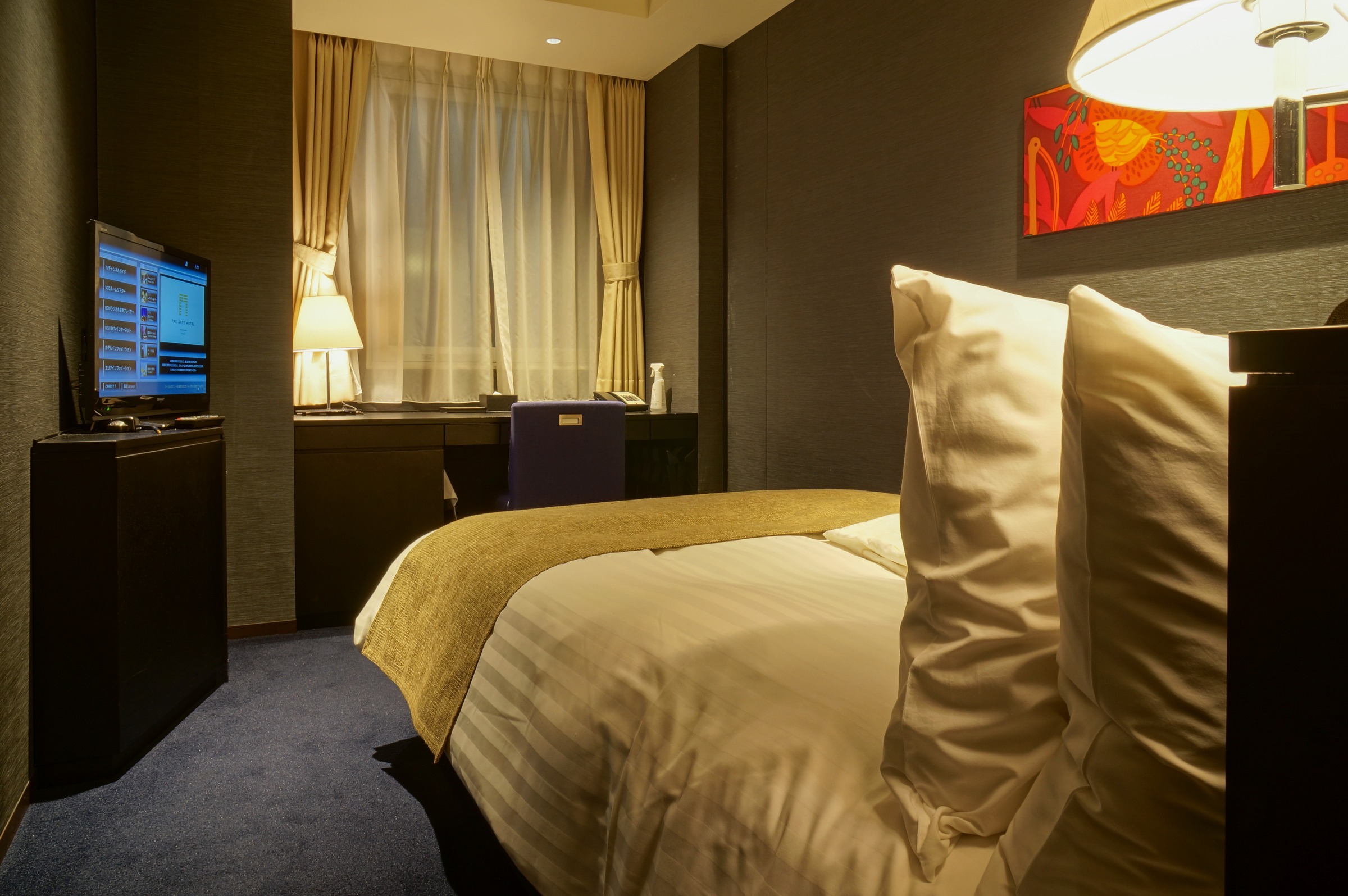
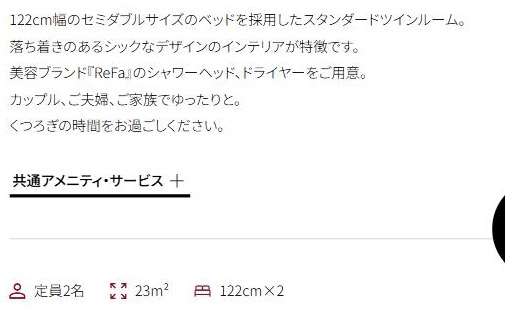
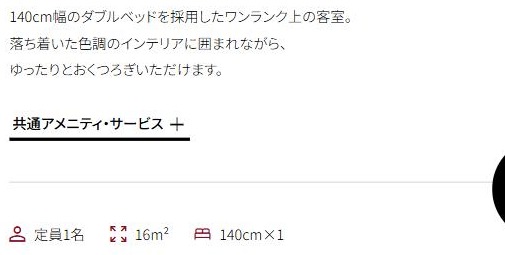
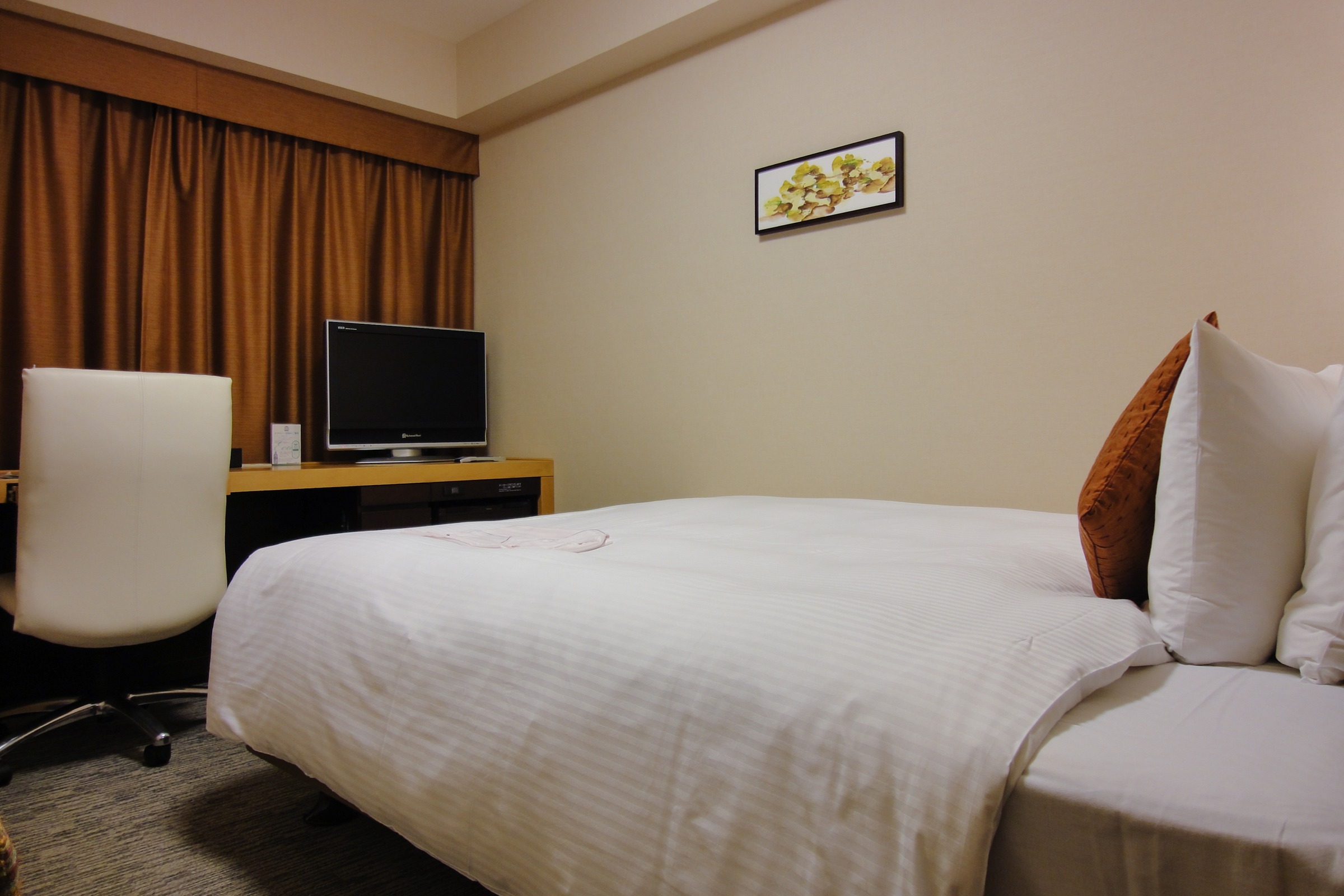
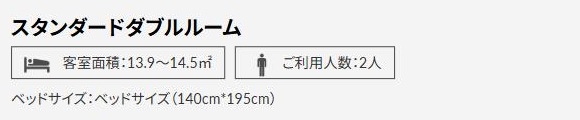
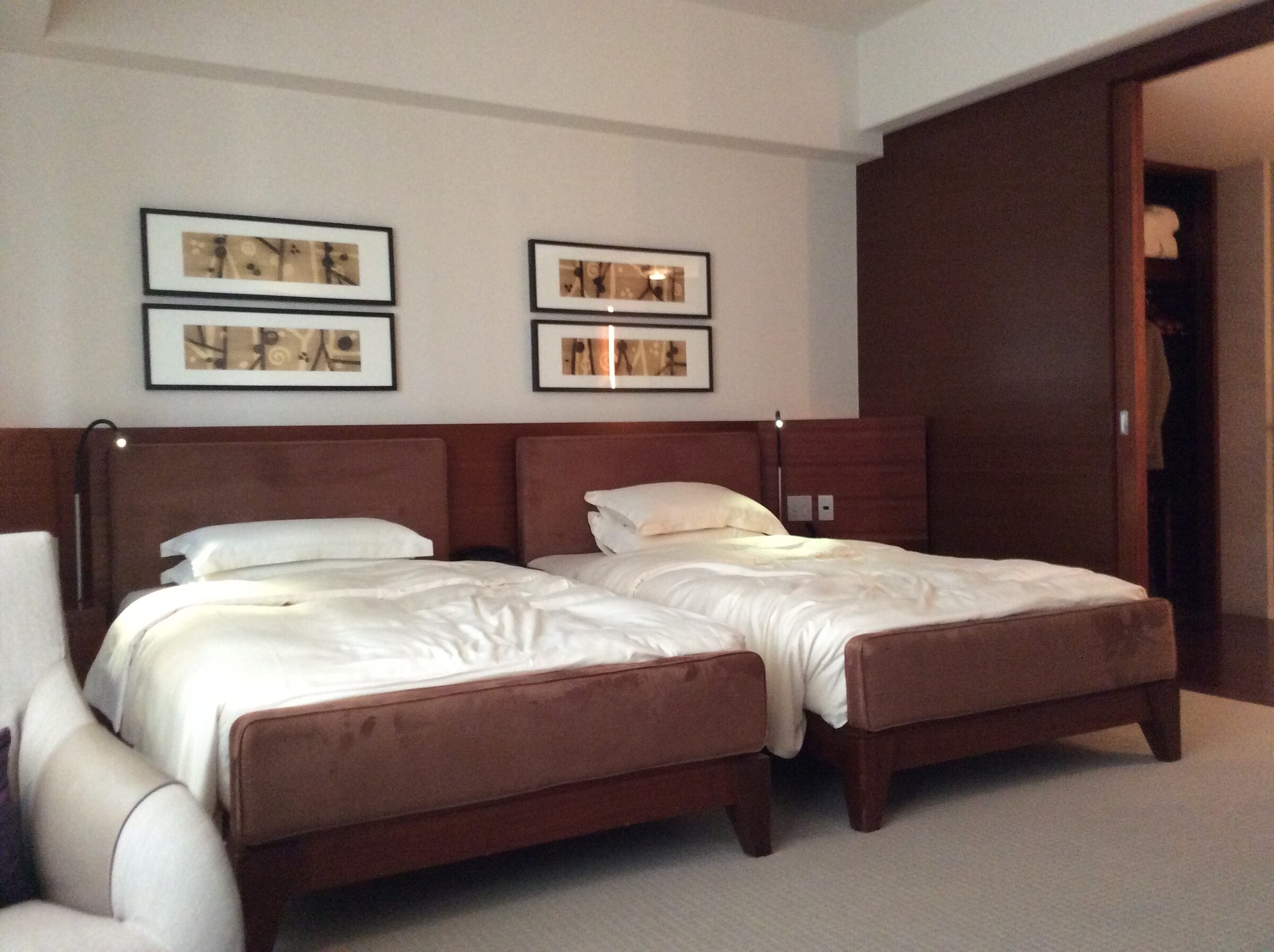
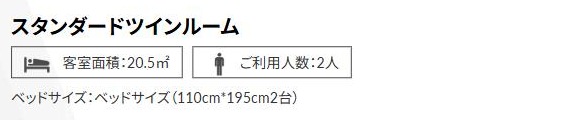
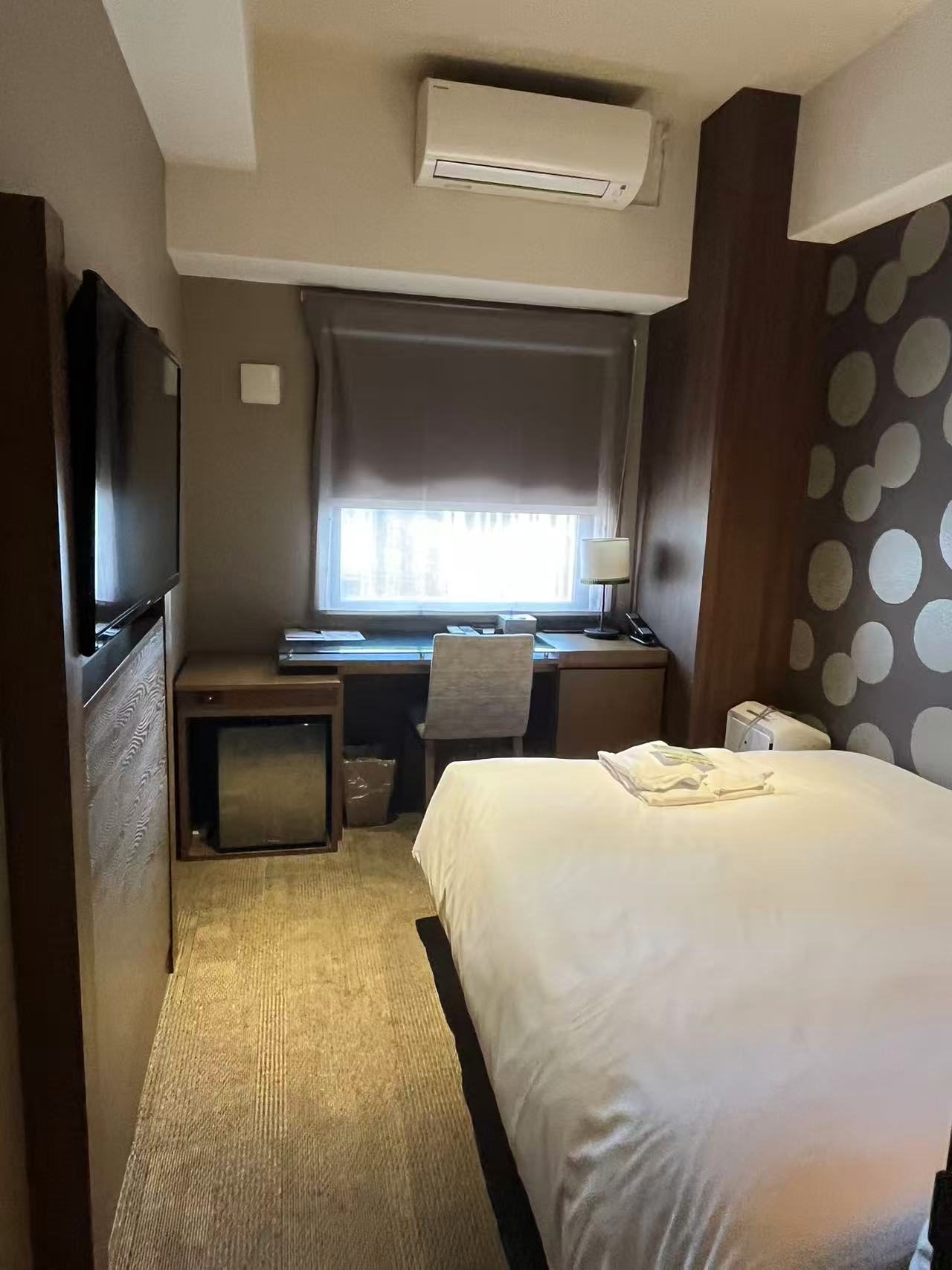
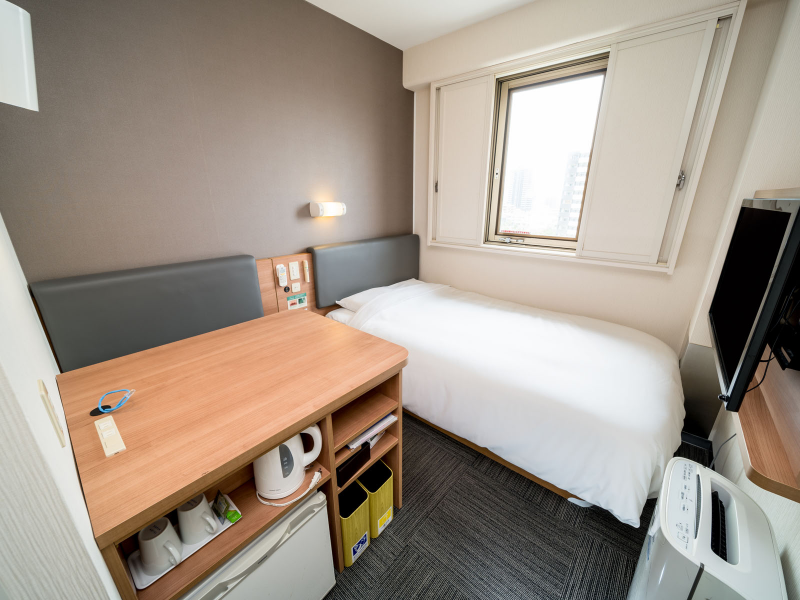
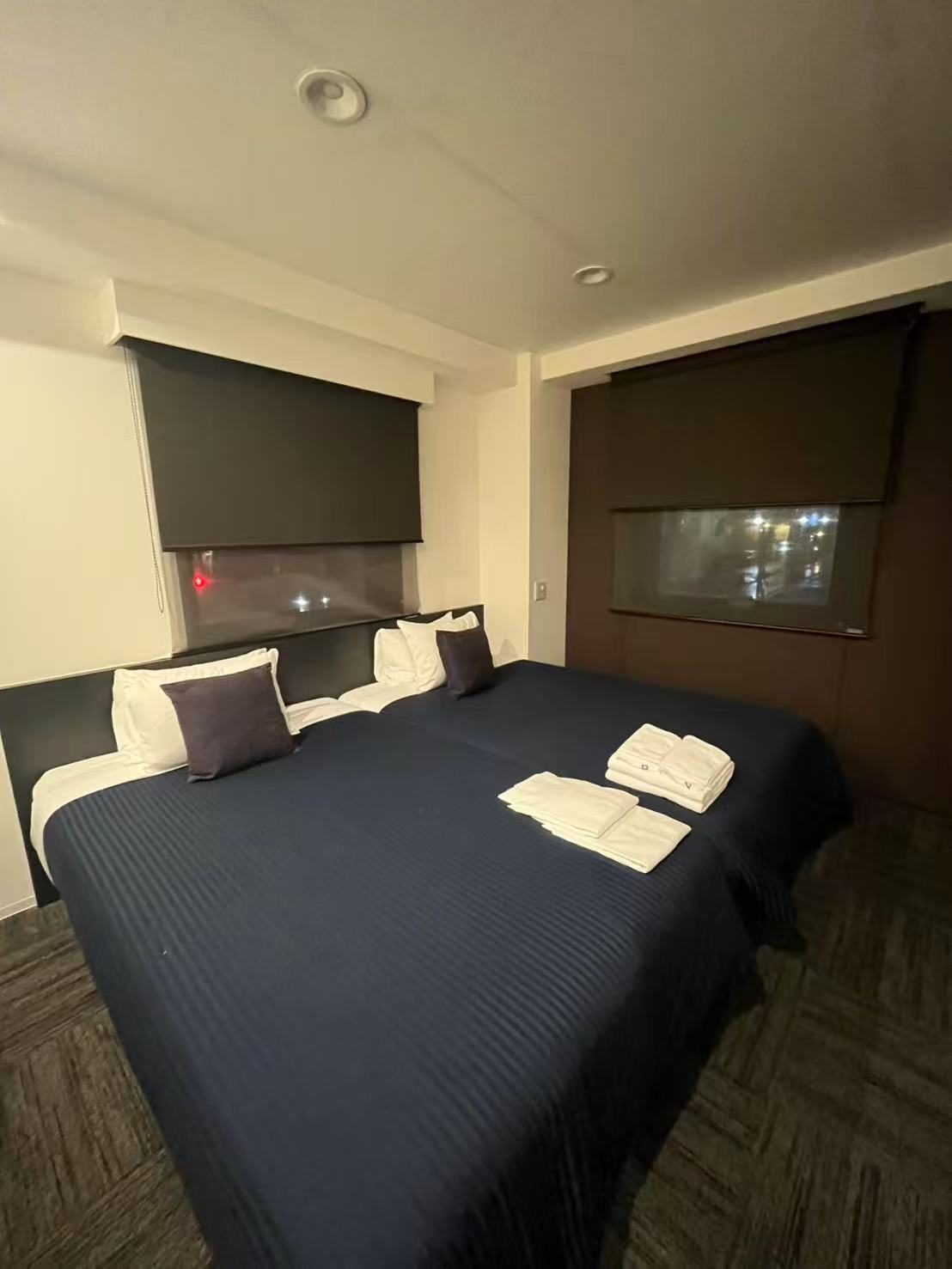
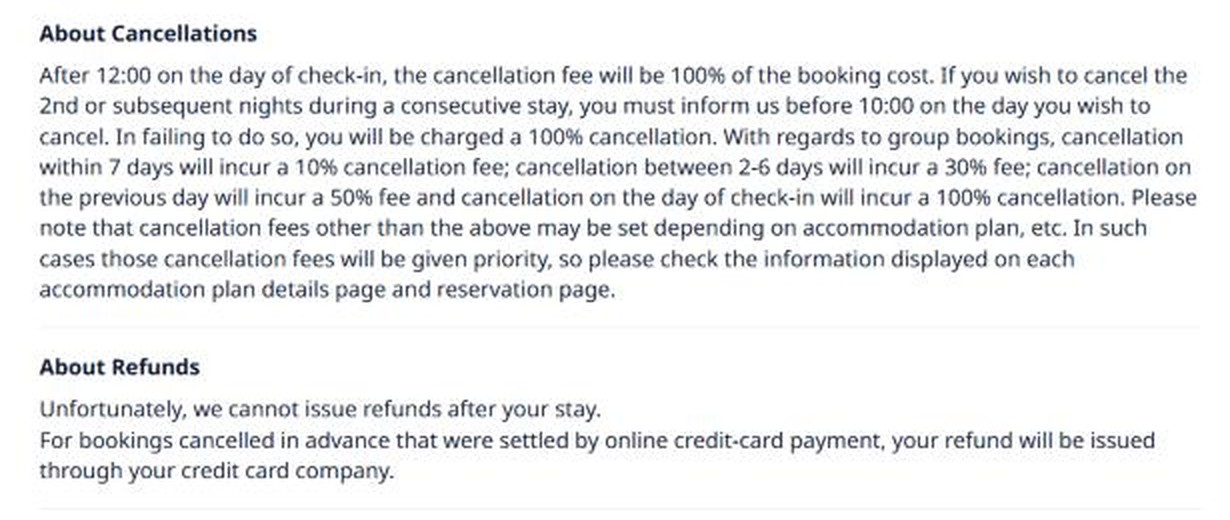
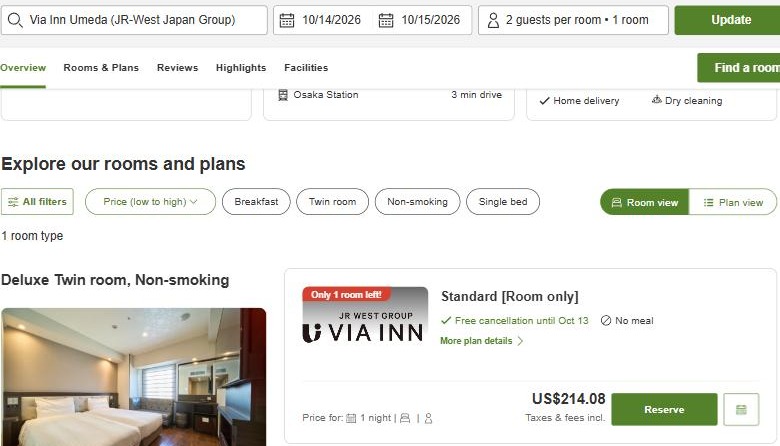
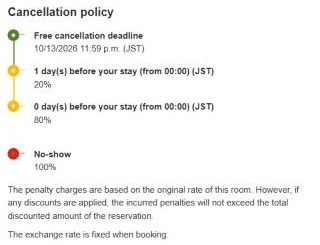
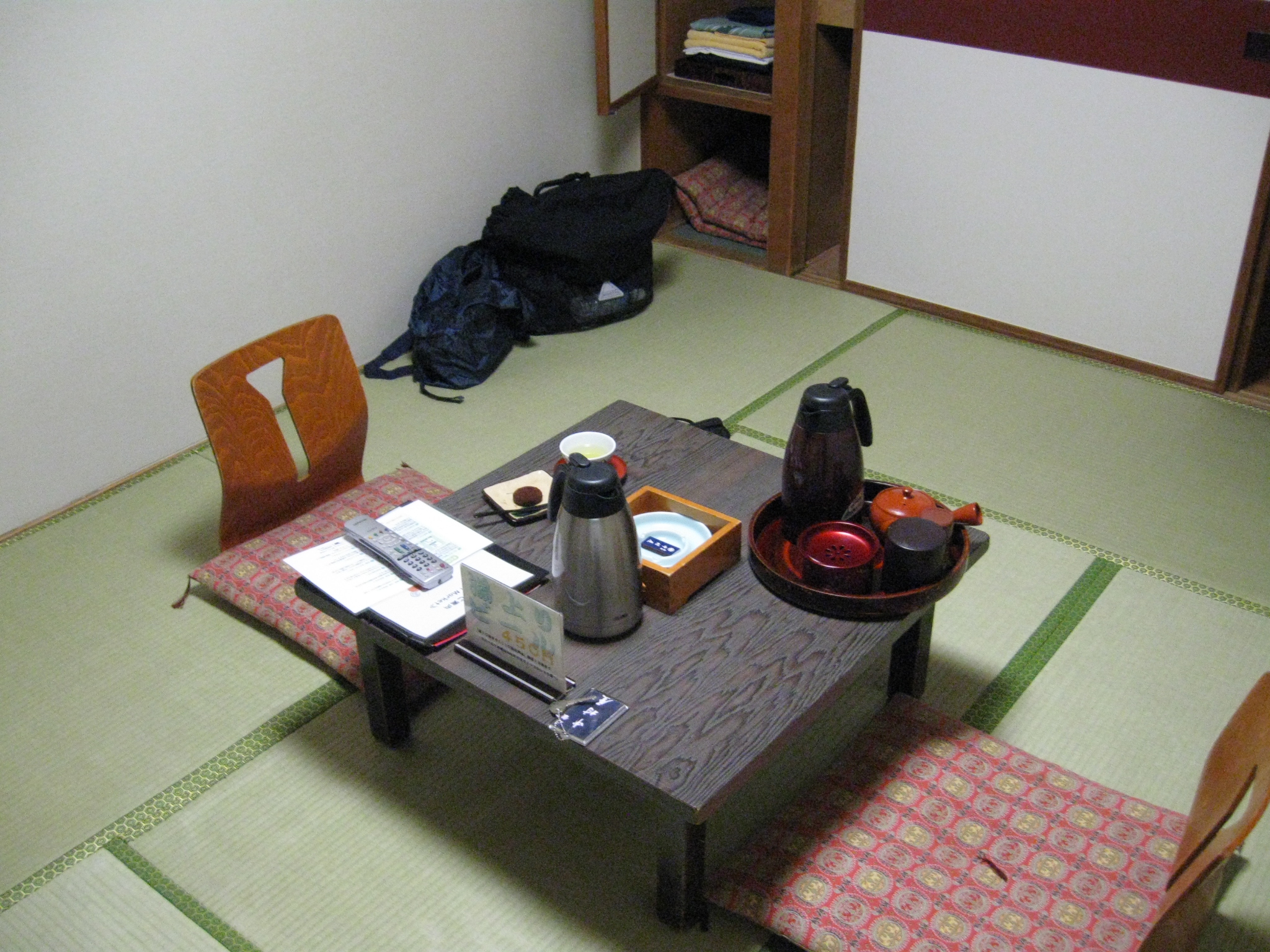
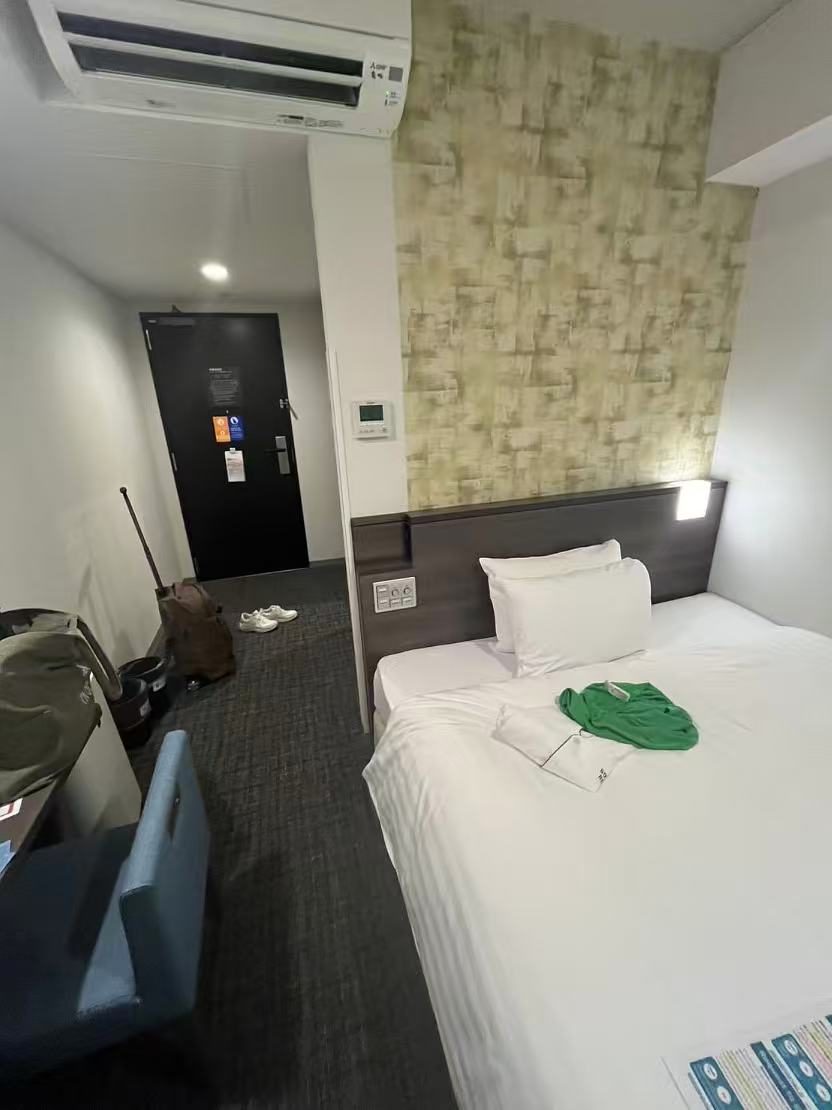
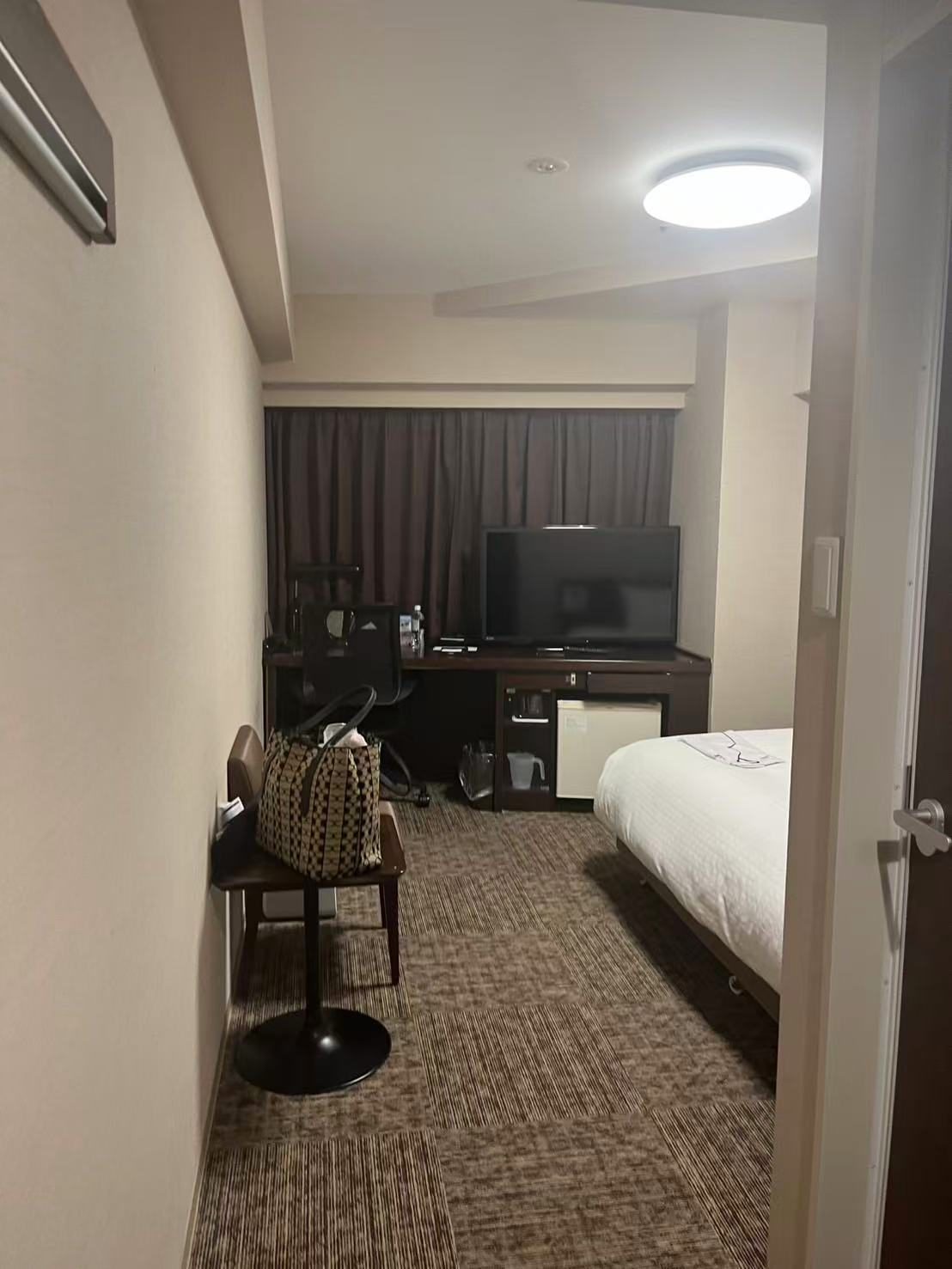
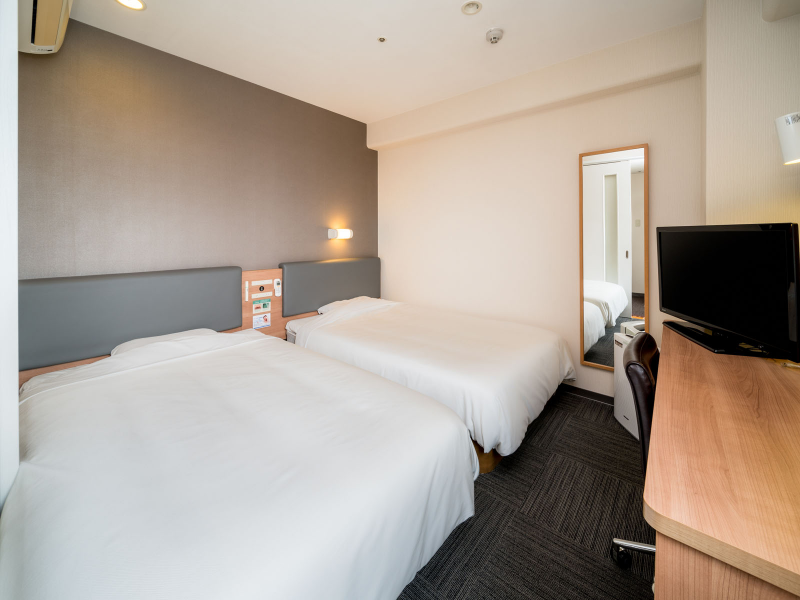
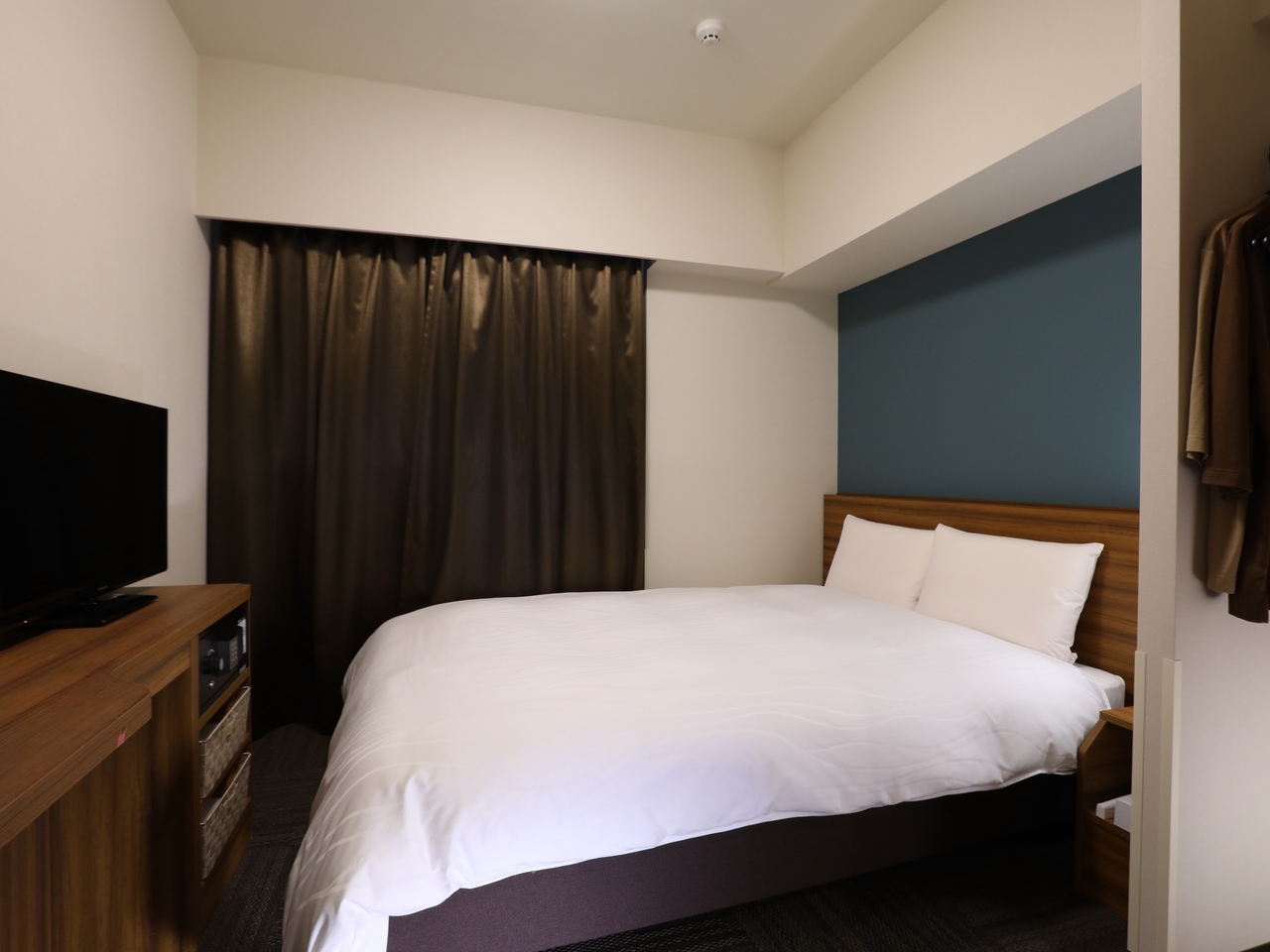
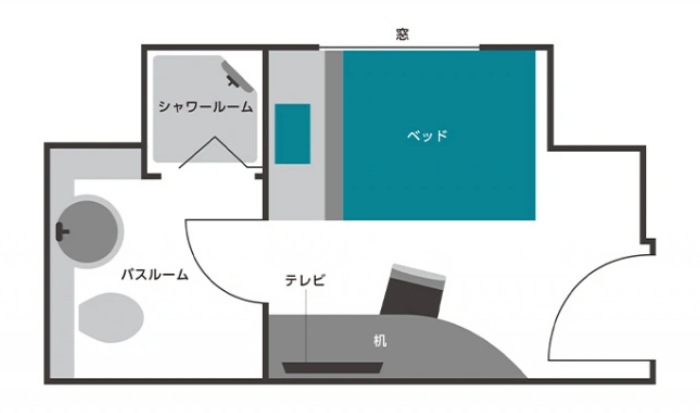
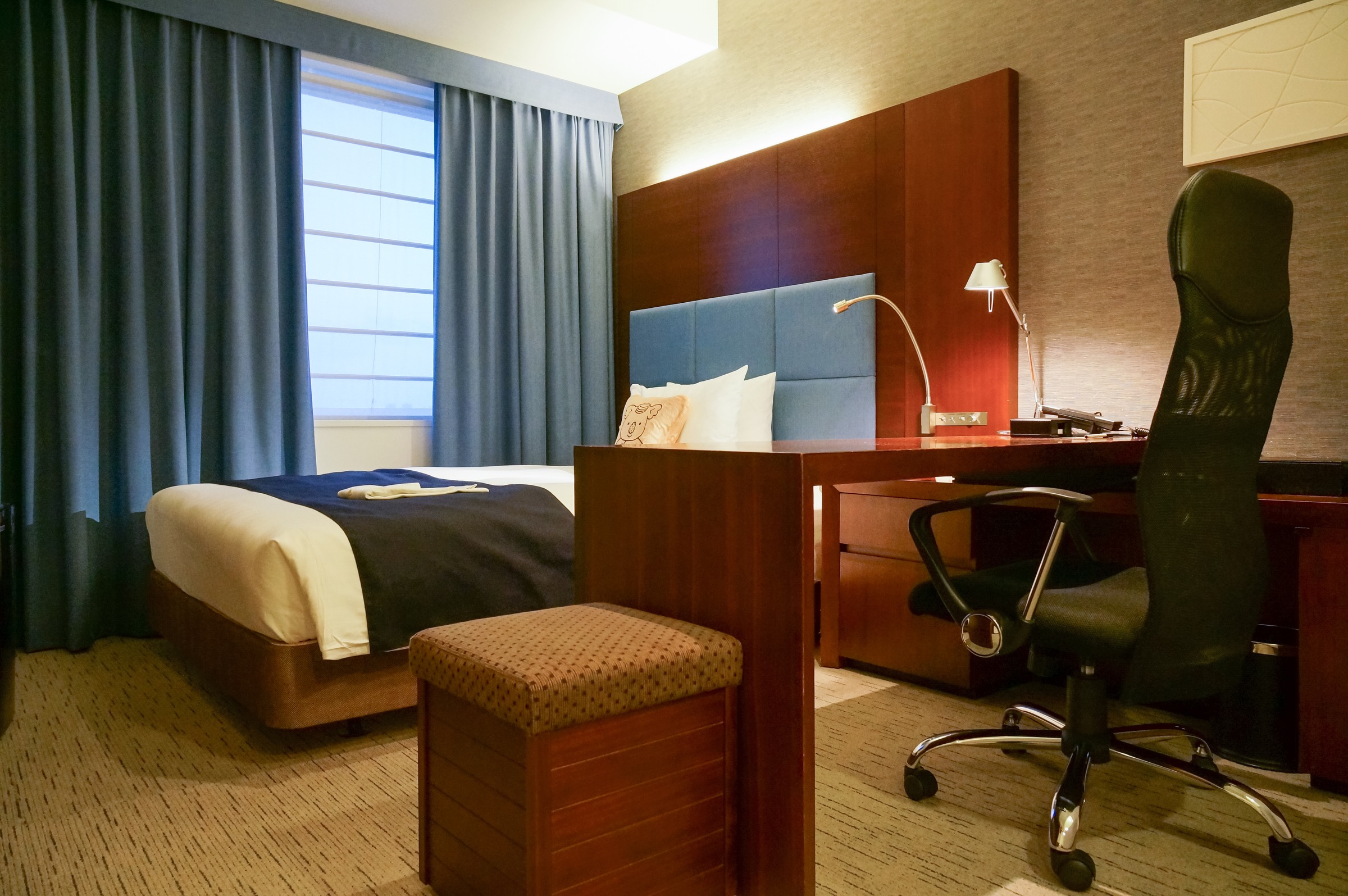
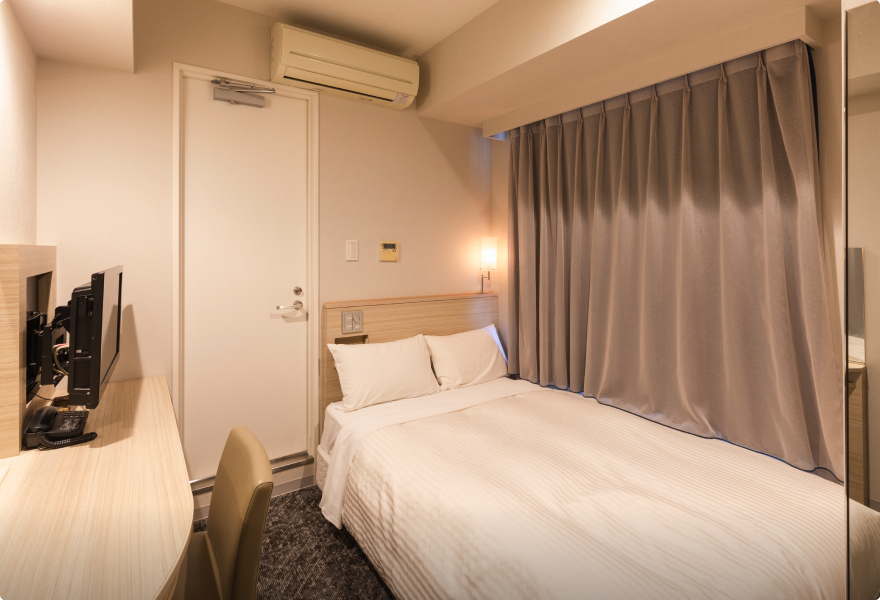


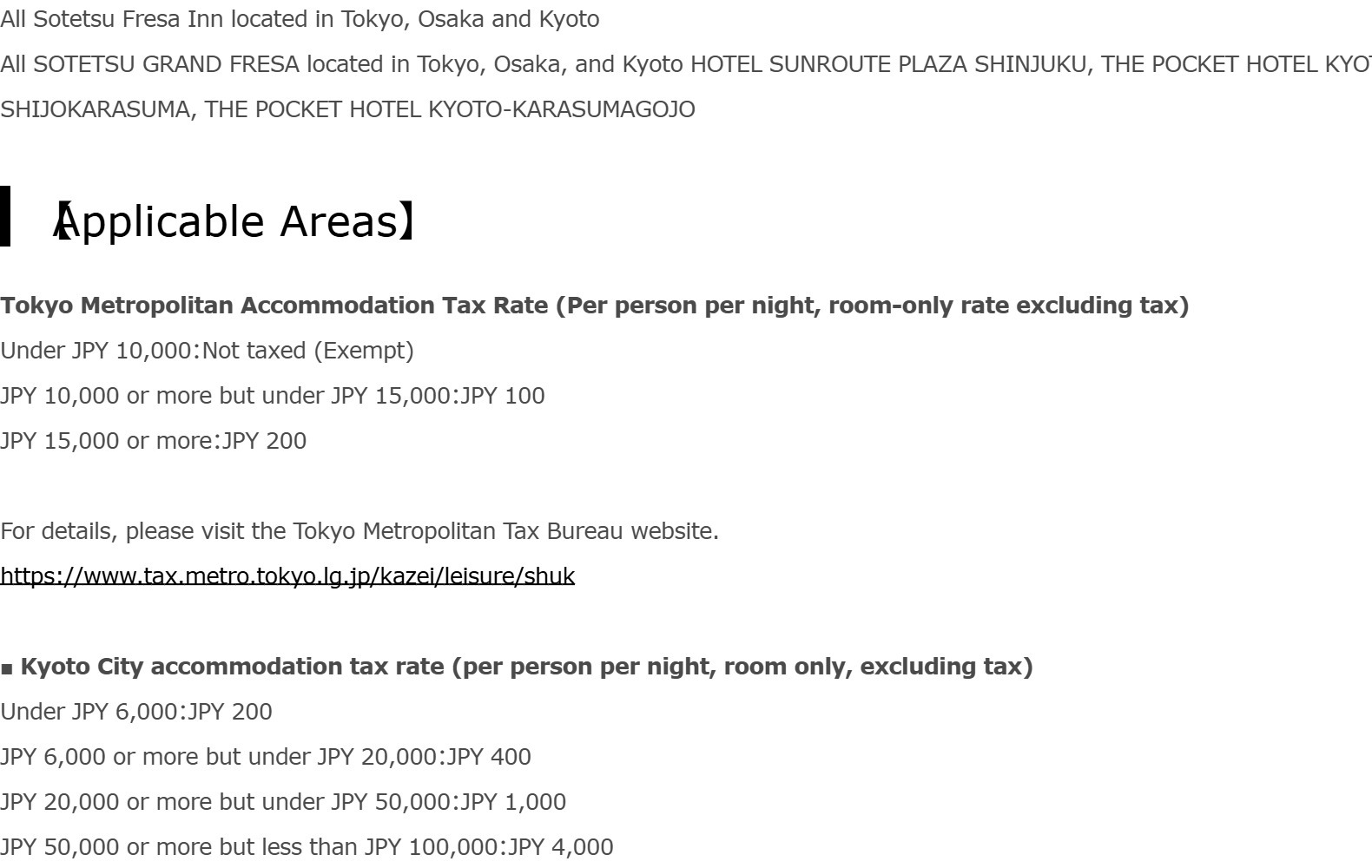
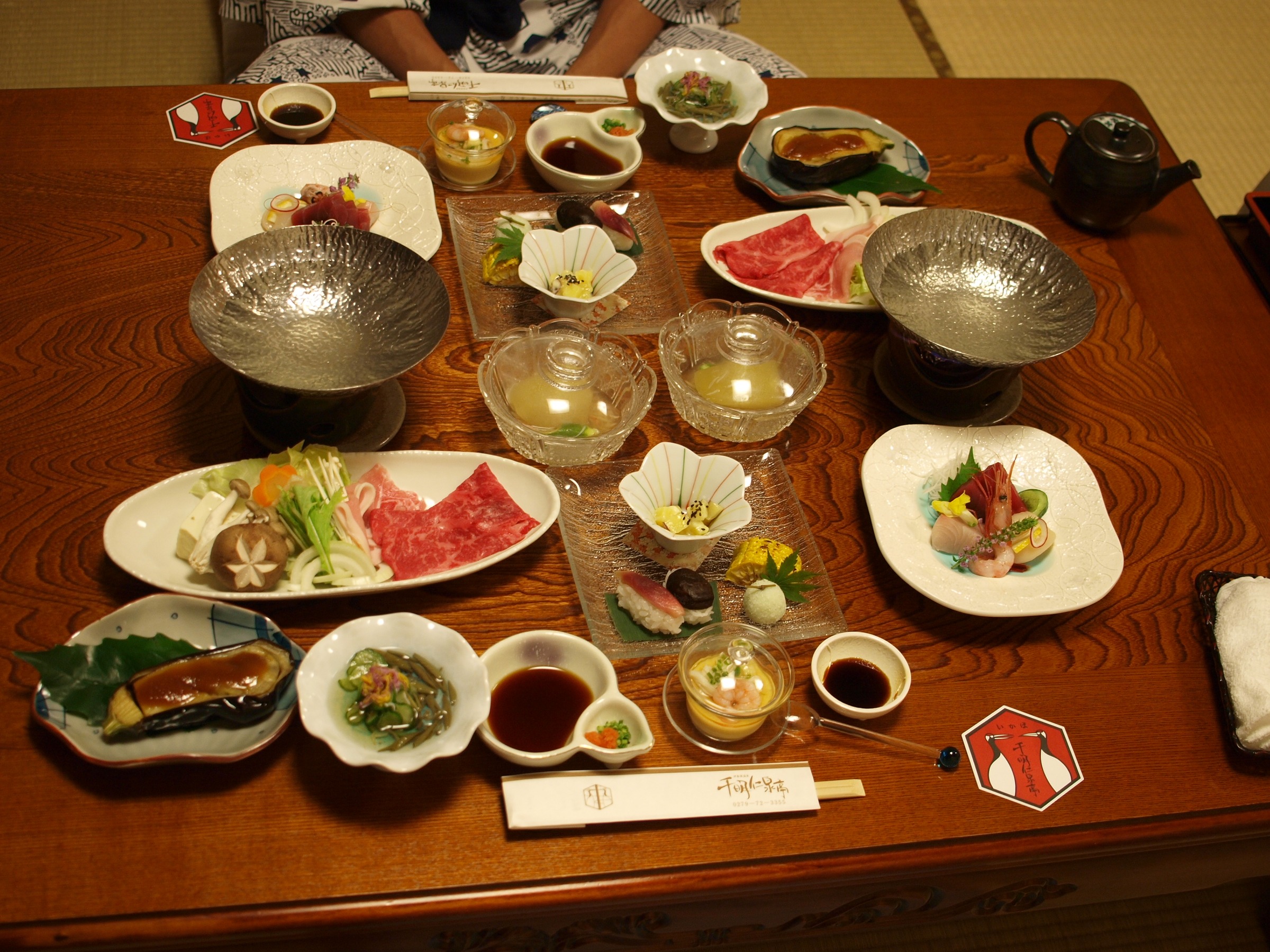
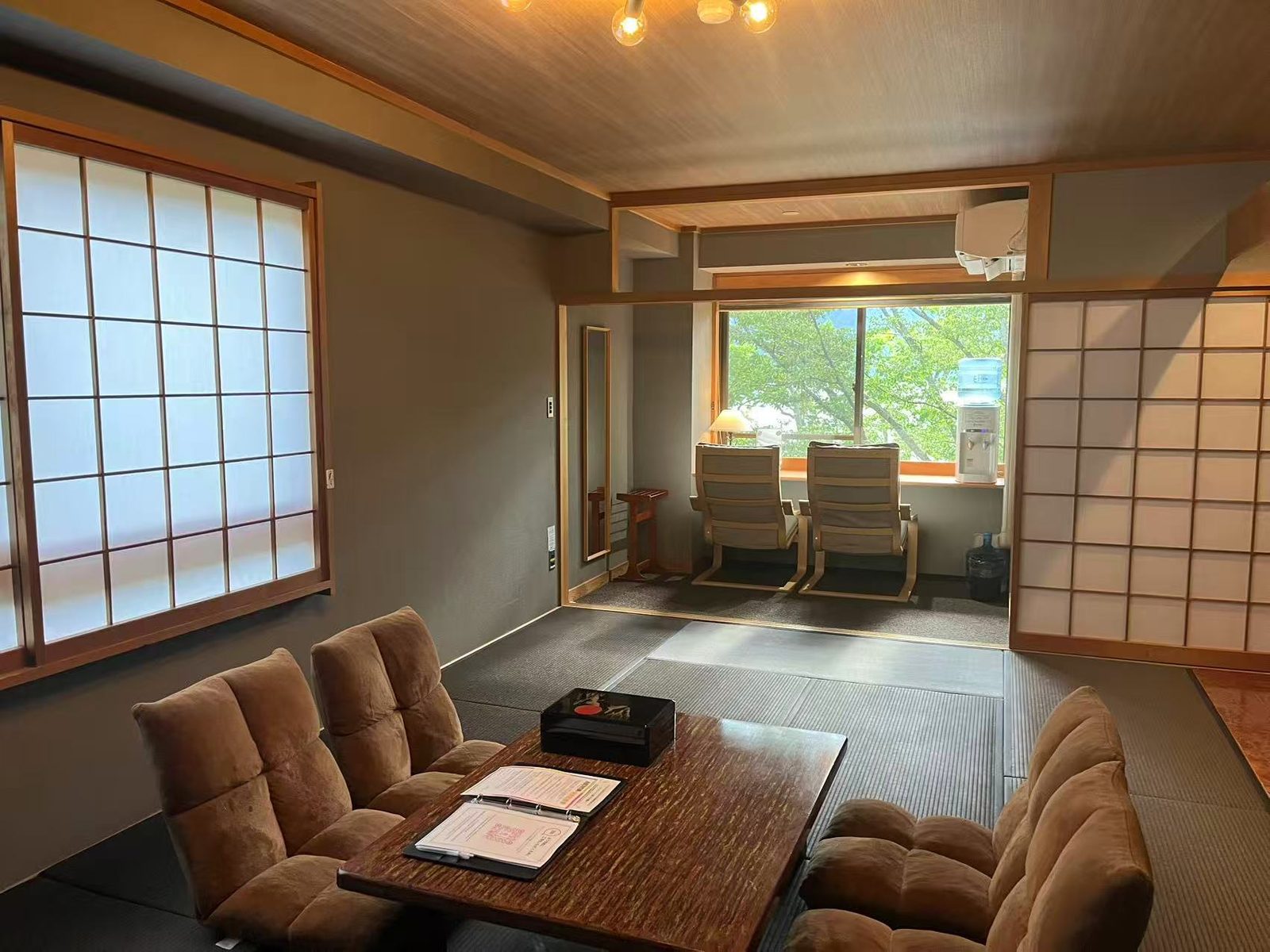
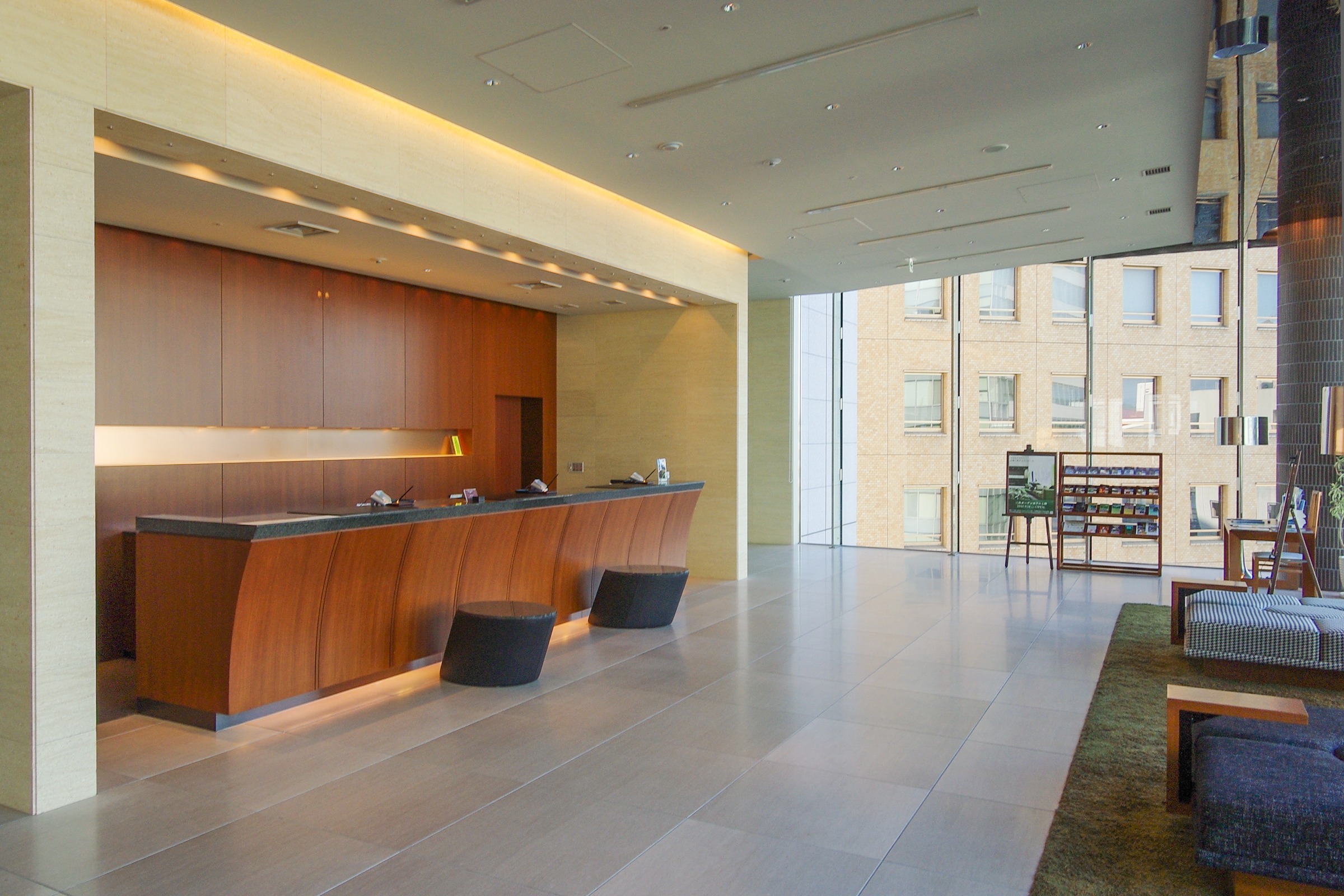
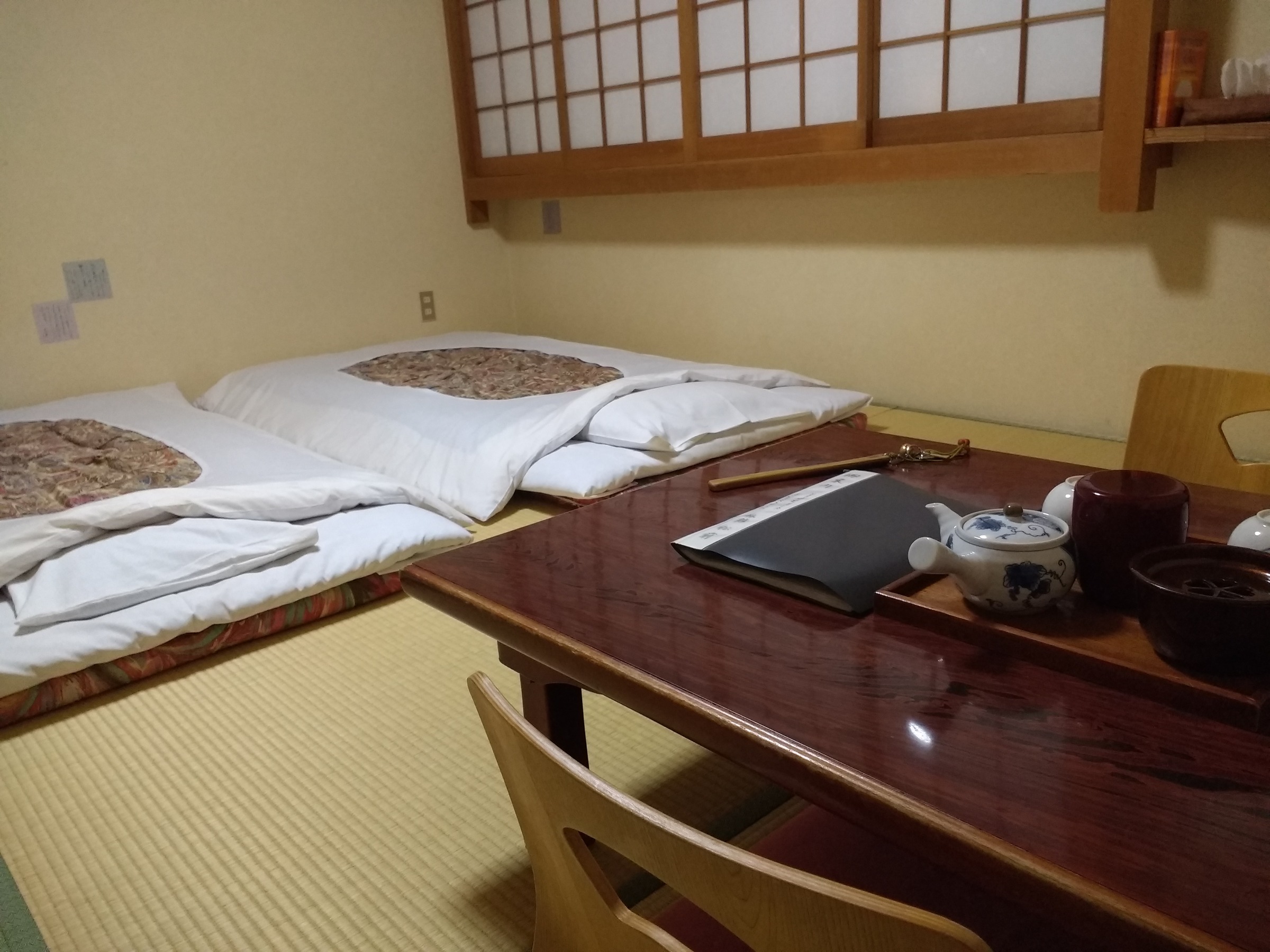
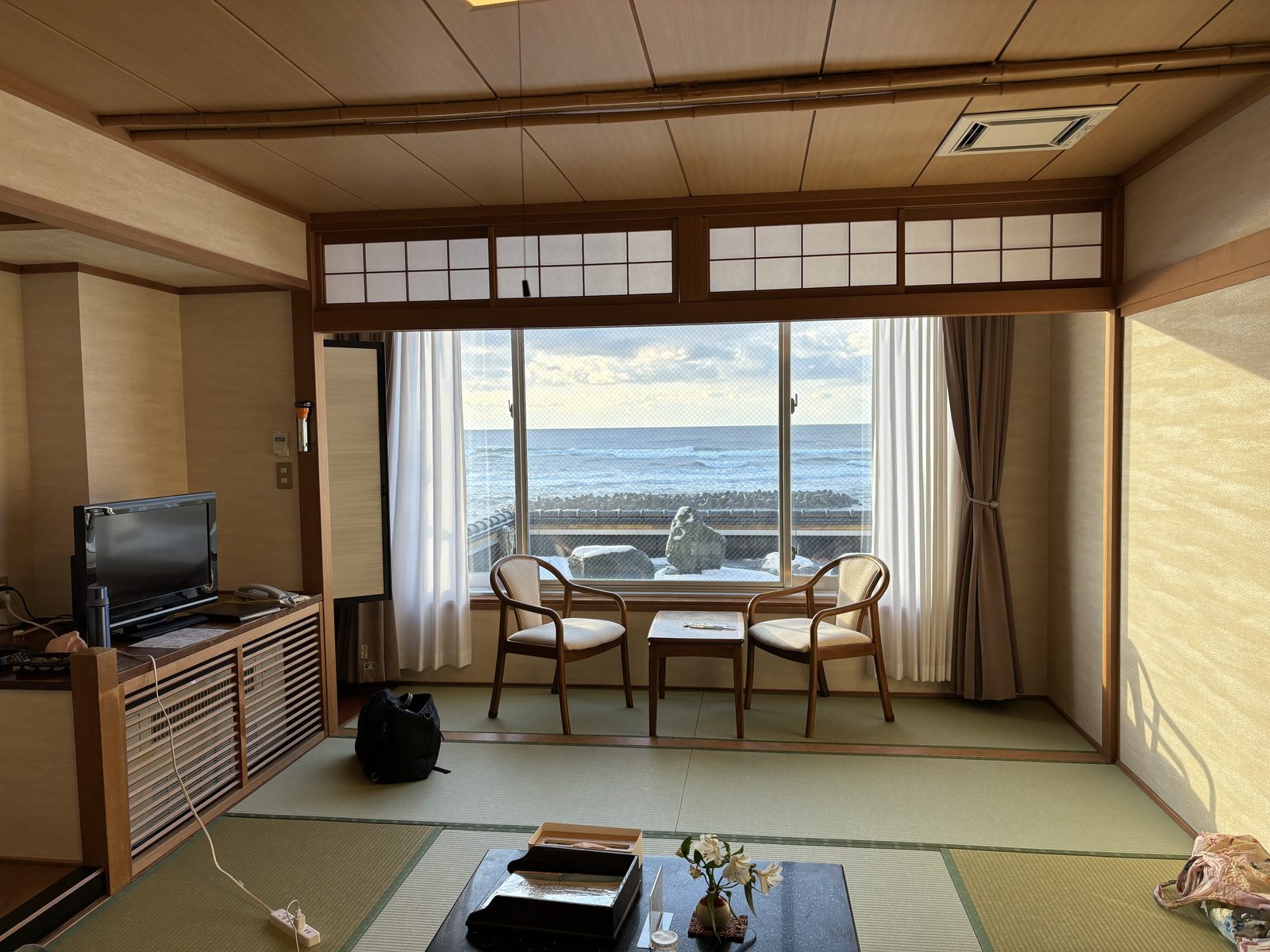


.jpg)


